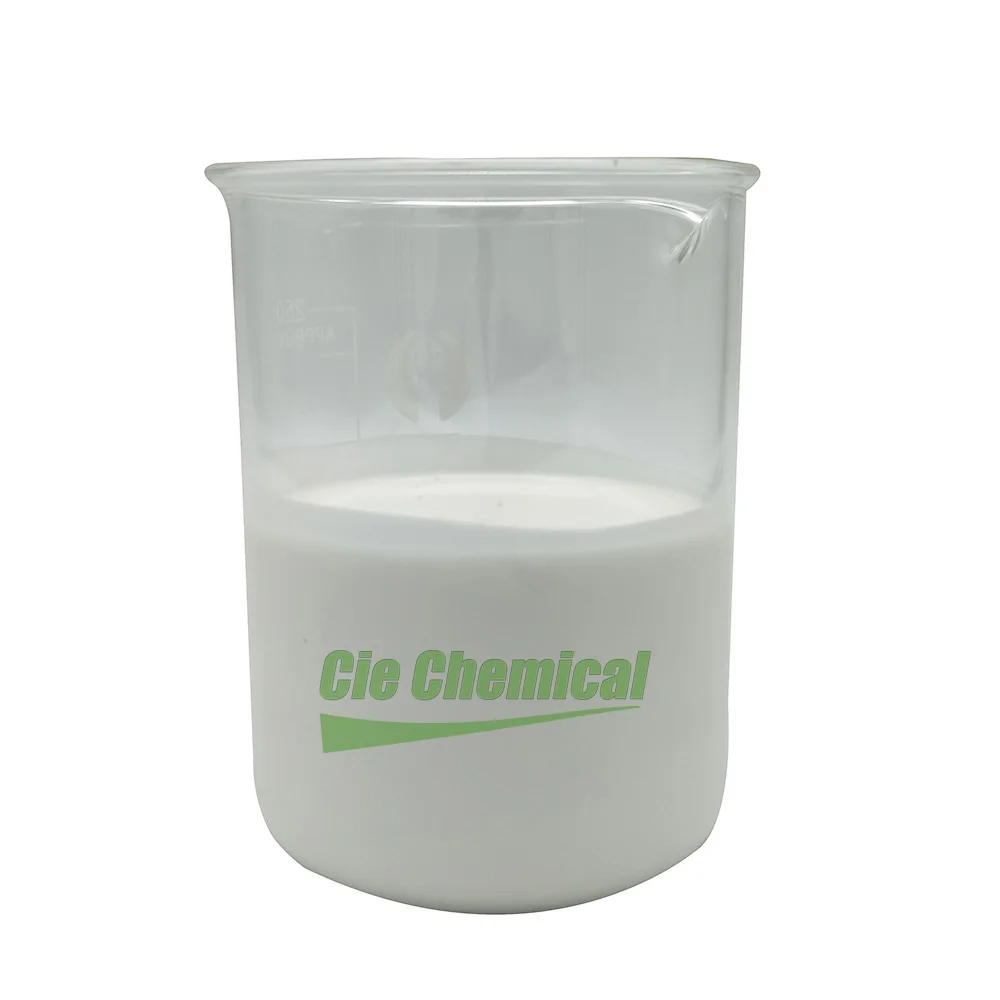
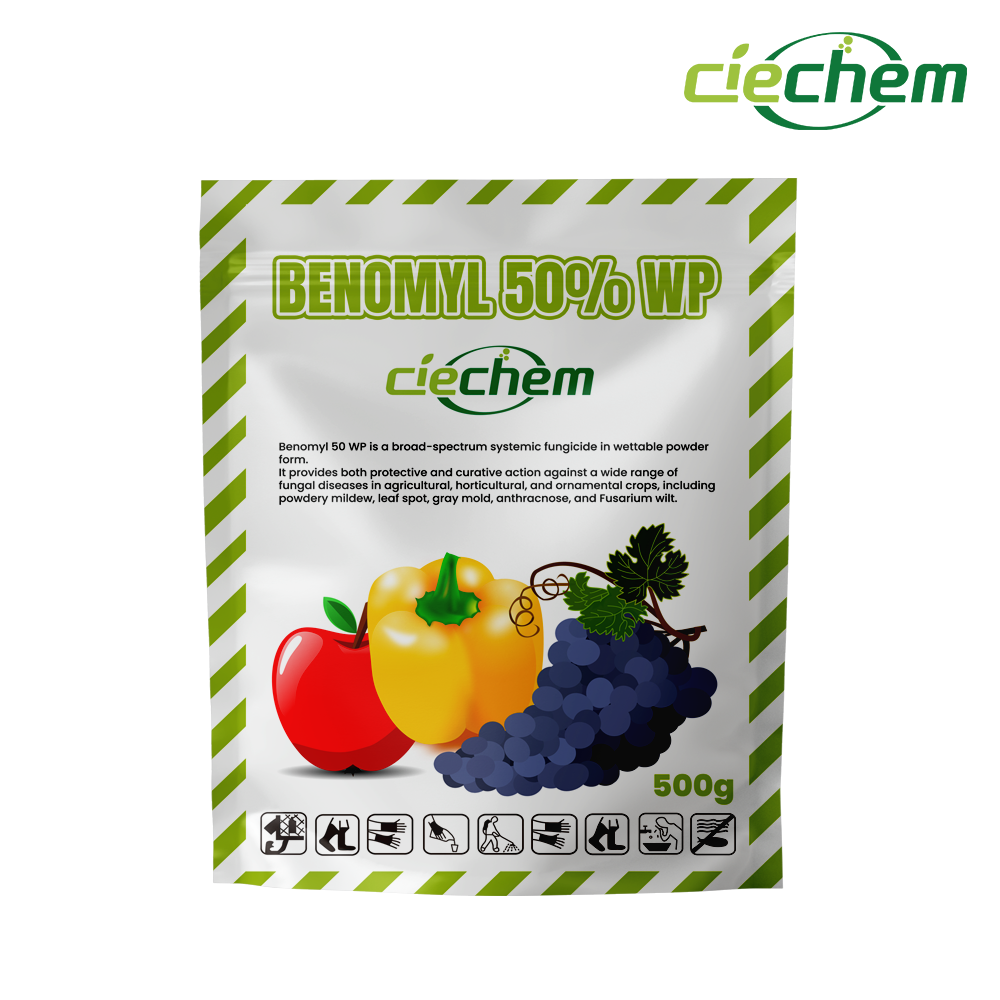
Just like every plant needs sunlight and water and food, right. Sunlight allows plants to produce their food through a process known as photosynthesis, and water is the moisture they need to live. Plants require nutrients from the soil to make sure they can grow strong and tall! But did you know that, like people, plants also can become sick? They can get diseases which can damage their growth and make them weak. Enter our heroes: Fungicides to the rescue!
Fungicides are specific chemicals that protect plants from illnesses that are caused by small microorganisms called fungi. Now, fungi are harmful to plants and tend to proliferate on leaves, stems, and roots causing significant damage. The eradication of these fungal diseases is important to promote healthy plant growth and to avoid loss of crops for farmers, and in turn ensuring an adequate food supply for everyone. Fungicides kill the fungi or prevent the fungi from growing, so plants stay health and grow strong.
Contact Fungicides: These fungicides kill fungi by coming into contact with them. Upon contact with the fungi, they prevent the fungal spores from germinating and entering the plant. That helps to prevent the plant from becoming ill in the first place.
Systemic Fungicides – As a matter of fact, as these fungicides are taken in by the plant, they actually circulate within the plant. Systemic fungicides achieve this by also travelling through the plant, giving interior protection. This is critical for resisting diseases that are already inside the plant and doing damage.
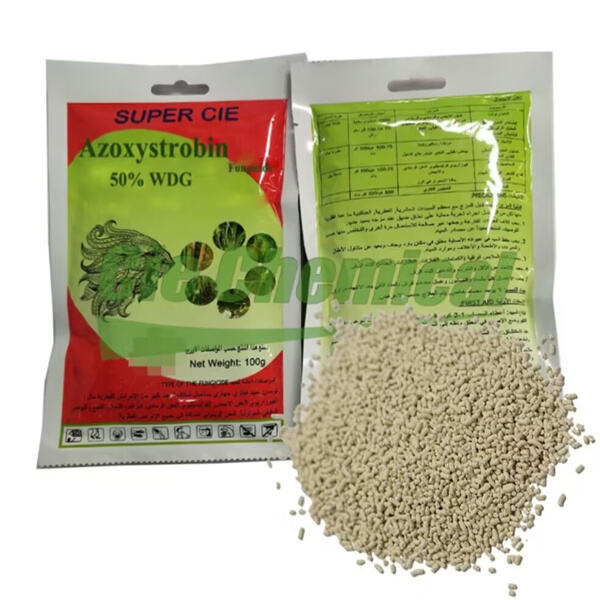
Protectant fungicides: These fungicides act as a protective barrier on the exterior of the plant. This shield works much like a wall to prevent the fungal spores from growing and penetrating into the plant. Protectant fungicides help protect the plant from disease by preventing the spores from gaining entrance into the plant.
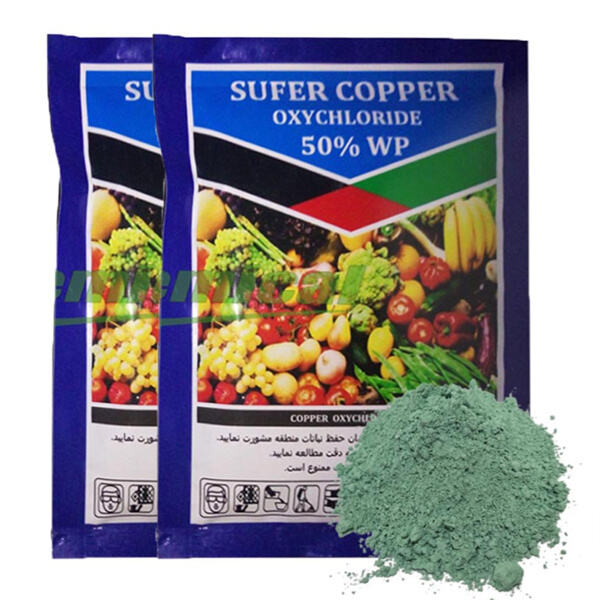
Fungicide resistance is when fungi develop the ability to withstand fungicides that would otherwise work effectively against them. That can make it more difficult to manage plant diseases. The overuse of fungicides can lead to the formation of this resistance. There are some fundamental approaches to do so:
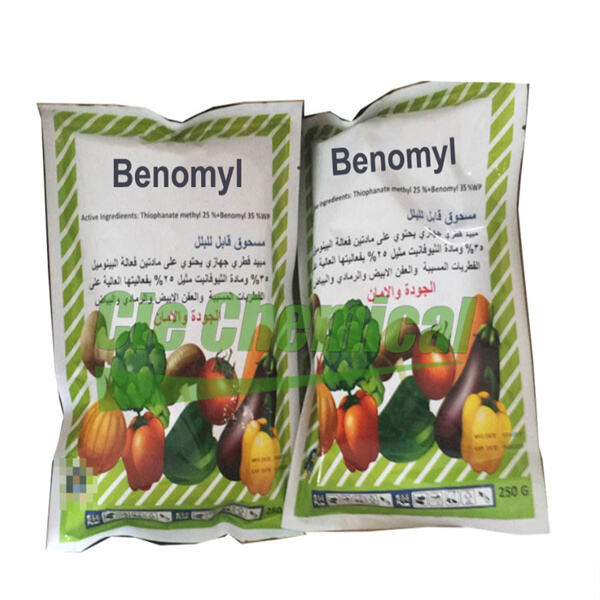
Integrated captan fungicide refers to the use of multiple approaches to control plant diseases. This strategy involves pairing fungicides with other methods to protect plants, such as crop rotation and planting disease-resistant plants. Here are the advantages of this cool method.
In the world of CIE, you will find excellent agrochemical manufacturing and technical services because we focus on chemicals and researching new products for the people of the world.At the beginning of the 21st century, our factory only focused on national brands. After several years of development, we began to explore international markets, such as Argentina, Brazil, Suriname, Paraguay, Peru, Africa, South Asia, etc. As of 2024, we have established business relationships with partners from more than 39 countries. At the same time, we will be committed to bringing more good products to more countries.
The pesticide products we sell comply with relevant national regulations and standards. Ensure the reliability and stability of product quality.1. Pre-sales consultation: We will provide customers with professional pre-sales consultation services to answer their questions about the use, dosage, storage and other issues of clothing and medicine. Customers can get our help by phone, email or online consultation before purchasing.2. After-sales training: We will regularly organize pesticide use training, including the correct use of pesticides, precautions, protective measures, etc., to improve customers' pesticide use skills and safety awareness.1/33. After-sales return visits: We will conduct regular after-sales return visits to our customers to understand their usage and satisfaction, collect their opinions and suggestions, and continuously improve our services.
Shanghai CIE Chemical Co.,ltd. was established on November 28, 2013. CIE has focused on chemical exports for about 30 years. At the same time, we will be committed to bringing more good products to more countries.In addition, our factory has an annual production capacity of glyphosate of approximately 100,000 tons and acetochlor of approximately 5,000 tons. In addition, we also cooperate with some multinational companies to produce paraquat and imidacloprid. Therefore, our quality is world-class.Currently, the dosage forms we can produce include SL, SC, OSC, OD, EC, EW, ULV, WDG, WSG, SG, G, etc. At the same time, our R&D department is always committed to the development of new formulas to produce some blended chemicals according to market needs. In this way, the efficiency of our new products can meet the needs of end consumers around the world.We always see it as our responsibility.In addition, so far, we have supported the registration of more than 200 companies in 30 countries around the world. At the same time, we are doing GLP reporting for some products.
1. Increased output:Pesticides can effectively control pests, diseases and weeds, thereby reducing pest levels, increasing yields and ensuring food security.2. Save labor and time:The use of pesticides can reduce farmers’ labor and time costs and effectively improve agricultural production efficiency.3. Guarantee economic benefits:Pesticides can prevent AIDS, ensure harvests, and be used in agricultural production brought brilliant economic benefits.4. Ensure food safety and quality:Pesticides can ensure the safety and quality of grain and food, avoid prevention prevent the occurrence of epidemics and protect people's health.
 EN
EN
 AR
AR
 FR
FR
 EL
EL
 HI
HI
 IT
IT
 PT
PT
 RU
RU
 ES
ES
 TL
TL
 IW
IW
 ID
ID
 UK
UK
 VI
VI
 SQ
SQ
 TR
TR
 FA
FA
 AF
AF
 MS
MS
 SW
SW
 AZ
AZ
 UR
UR
 BN
BN
 HA
HA
 IG
IG
 JW
JW
 KM
KM
 MN
MN
 SO
SO
 ZU
ZU
 MY
MY
 KK
KK
 TG
TG
 UZ
UZ
 AM
AM
 KU
KU
 KY
KY
 PS
PS
 SN
SN
 XH
XH