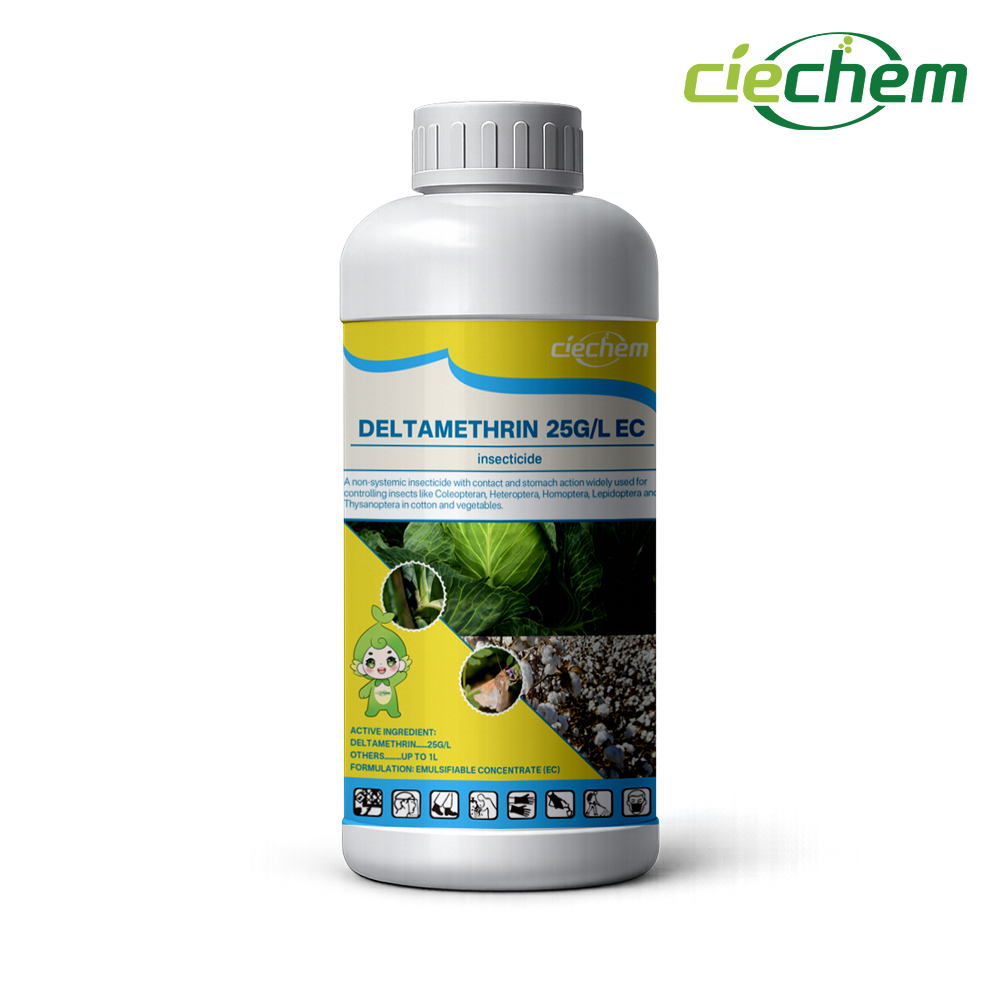
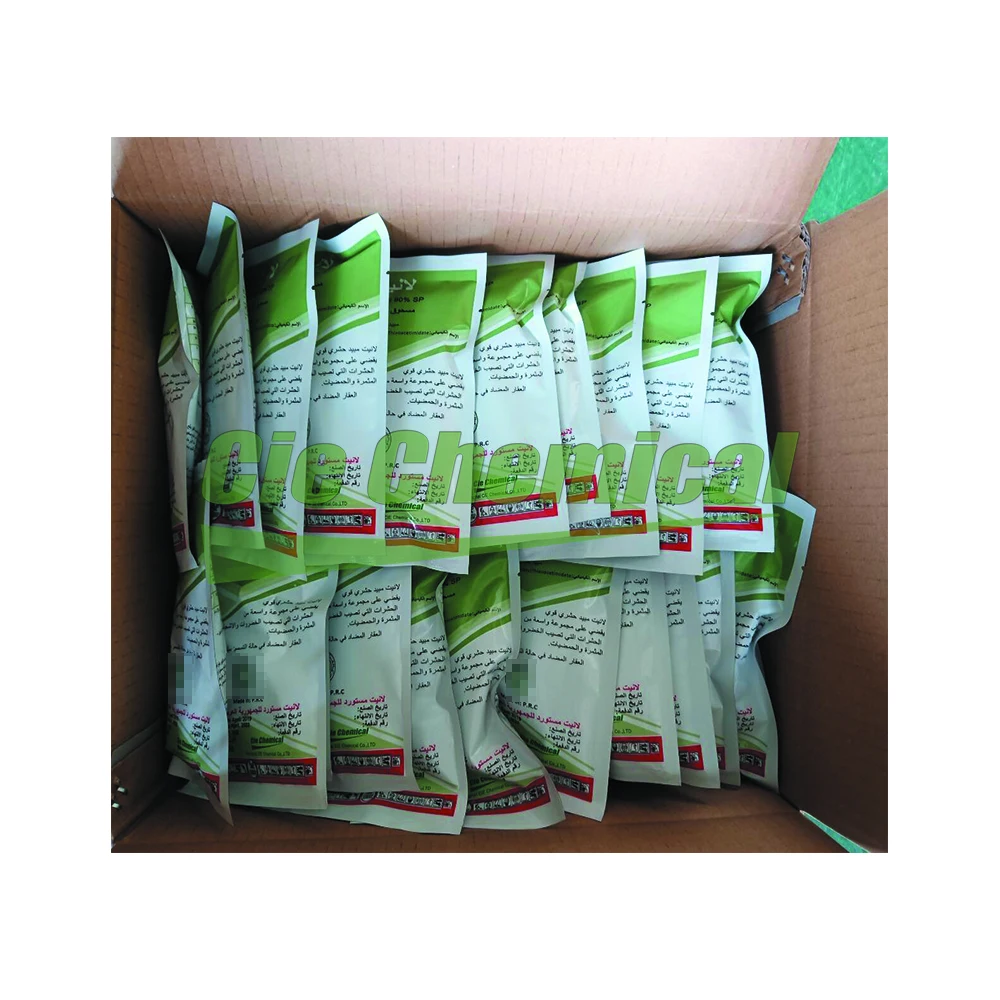
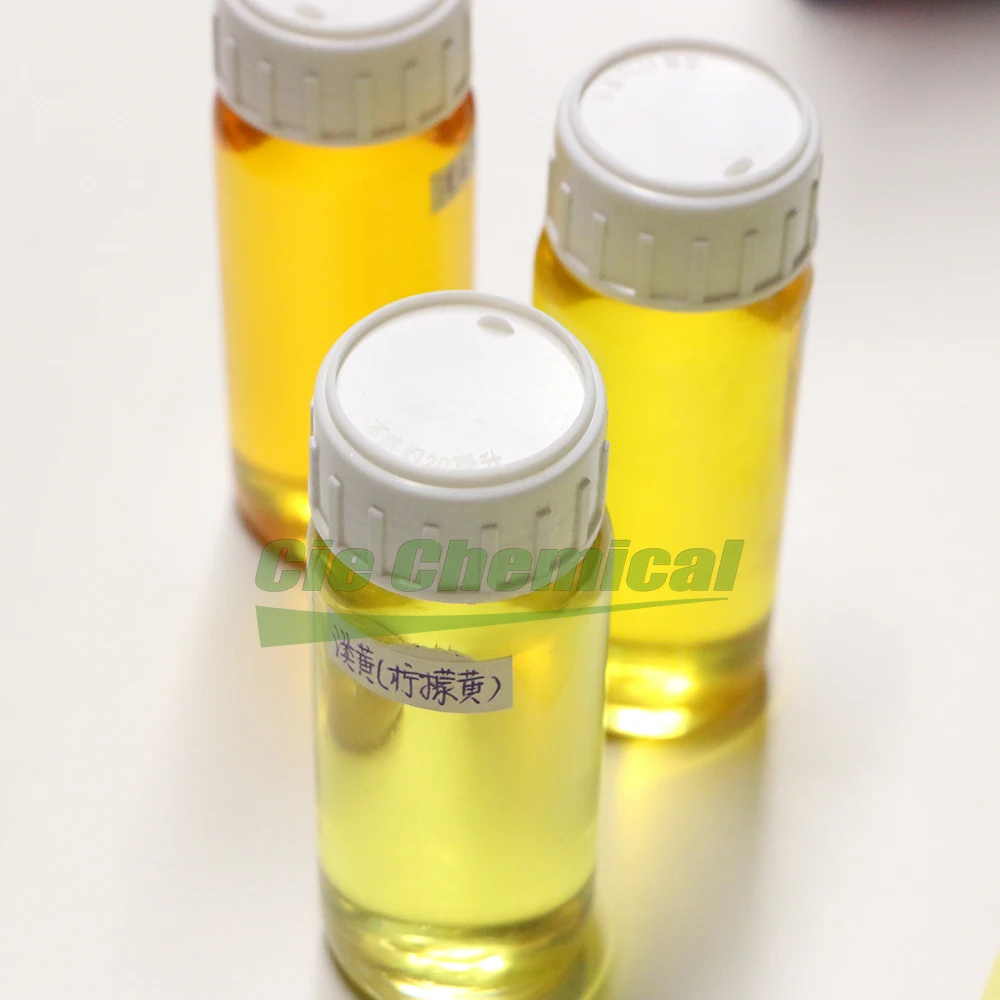
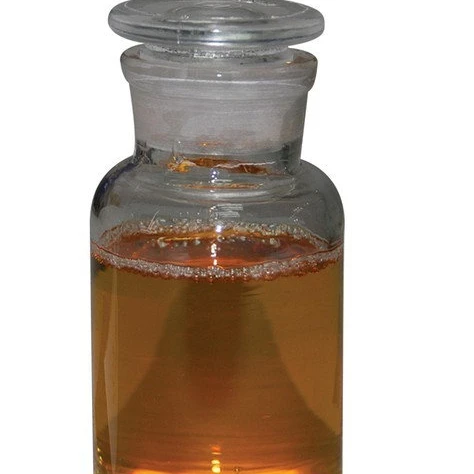
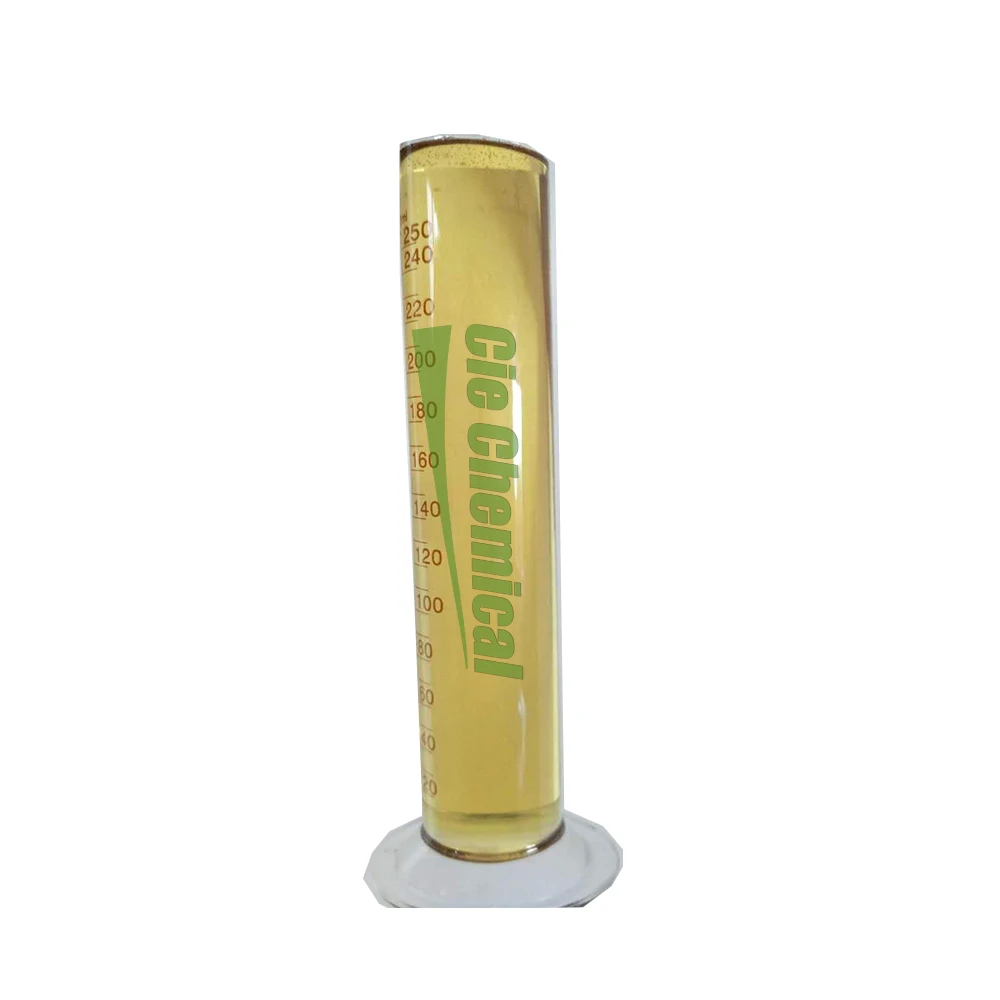
Dimethoate insecticide is a unique sort of bug spray that enables farmers to protect their crops against nuisance pests. Dimethoate Insecticide Use for Health and Safety of Plants It is important for farmers to understand proper application and use of dimethoate insecticide only to maintain the health of their plants and keep them safe.
An insecticide known as dimethoate is a potent pesticide farmers use to deter insects from eating their crops. It operates by disabling the nervous system of the bugs, forcing them to stop eating the plants. This does much to safeguard the crops and to secure a good harvest.
There are many advantages to using dimethoate pesticide in agriculture. It’s good for the farmers to help keep pests that consume their crops away and for the insects, too. But there are also – some hazards of dimethoate insecticide as well. Used incorrectly, it can also be harmful to other beneficial insects, such as bees and ladybugs.
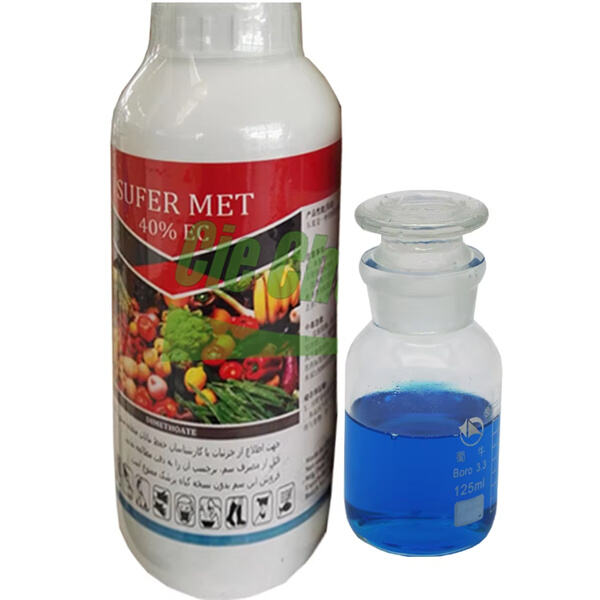
Dimethoate insecticide functions by disrupting the nervous system of insects. When the insects touch the insecticide it gets into their bodies and stops them from feeding. This is beneficial in keeping insect pests at bay and maintaining a healthy disease free crop.
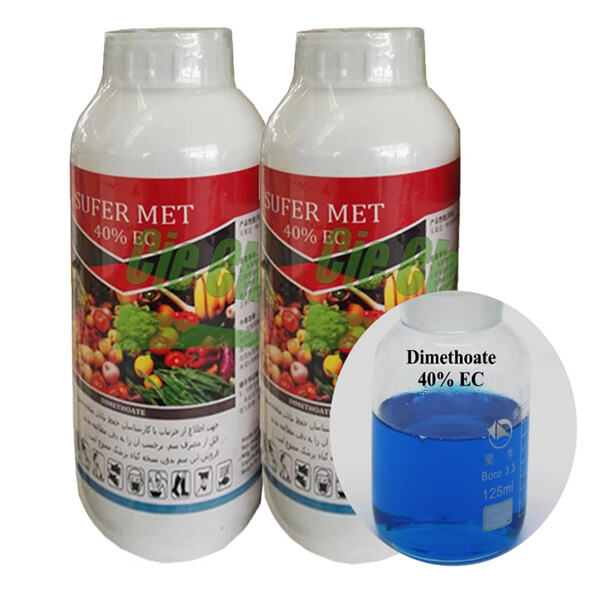
Farmers should take care when using this insecticide, and heed all safety warnings which are outlined on the packet etc. This involves dressing in protective clothing, removing children and pets from treated areas, and washing hands after insecticide preparation. Farmers can ensure their food crops are safe, and at the same time not have to put themselves or the environment at risk when they use dimethoate insecticide.
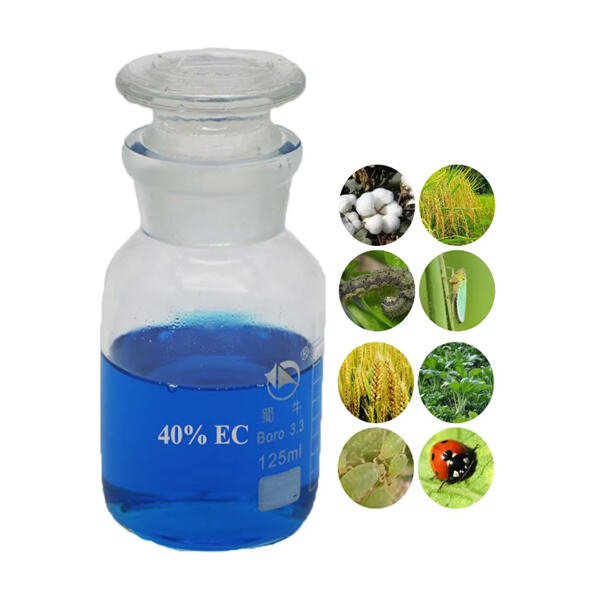
Although dimethoate is an effective insecticide for pests control, it is necessary for farmers to search for alternatives for sustainable and managable pest management practices. There are several natural ways of keeping insects off your crops, such as planting companion plants, employing insect traps, and crop rotation. A combination of techniques can assist farmers in environmentally safe preservation of their harvests.
Shanghai CIE Chemical Co.,ltd. was established on November 28, 2013. CIE has focused on chemical exports for about 30 years. At the same time, we will be committed to bringing more good products to more countries.In addition, our factory has an annual production capacity of glyphosate of approximately 100,000 tons and acetochlor of approximately 5,000 tons. In addition, we also cooperate with some multinational companies to produce paraquat and imidacloprid. Therefore, our quality is world-class.Currently, the dosage forms we can produce include SL, SC, OSC, OD, EC, EW, ULV, WDG, WSG, SG, G, etc. At the same time, our R&D department is always committed to the development of new formulas to produce some blended chemicals according to market needs. In this way, the efficiency of our new products can meet the needs of end consumers around the world.We always see it as our responsibility.In addition, so far, we have supported the registration of more than 200 companies in 30 countries around the world. At the same time, we are doing GLP reporting for some products.
In the world of CIE, you will find excellent agrochemical manufacturing and technical services because we focus on chemicals and researching new products for the people of the world.At the beginning of the 21st century, our factory only focused on national brands. After several years of development, we began to explore international markets, such as Argentina, Brazil, Suriname, Paraguay, Peru, Africa, South Asia, etc. As of 2024, we have established business relationships with partners from more than 39 countries. At the same time, we will be committed to bringing more good products to more countries.
The pesticide products we sell comply with relevant national regulations and standards. Ensure the reliability and stability of product quality.1. Pre-sales consultation: We will provide customers with professional pre-sales consultation services to answer their questions about the use, dosage, storage and other issues of clothing and medicine. Customers can get our help by phone, email or online consultation before purchasing.2. After-sales training: We will regularly organize pesticide use training, including the correct use of pesticides, precautions, protective measures, etc., to improve customers' pesticide use skills and safety awareness.1/33. After-sales return visits: We will conduct regular after-sales return visits to our customers to understand their usage and satisfaction, collect their opinions and suggestions, and continuously improve our services.
1. Increased output:Pesticides can effectively control pests, diseases and weeds, thereby reducing pest levels, increasing yields and ensuring food security.2. Save labor and time:The use of pesticides can reduce farmers’ labor and time costs and effectively improve agricultural production efficiency.3. Guarantee economic benefits:Pesticides can prevent AIDS, ensure harvests, and be used in agricultural production brought brilliant economic benefits.4. Ensure food safety and quality:Pesticides can ensure the safety and quality of grain and food, avoid prevention prevent the occurrence of epidemics and protect people's health.
 EN
EN
 AR
AR
 FR
FR
 EL
EL
 HI
HI
 IT
IT
 PT
PT
 RU
RU
 ES
ES
 TL
TL
 IW
IW
 ID
ID
 UK
UK
 VI
VI
 SQ
SQ
 TR
TR
 FA
FA
 AF
AF
 MS
MS
 SW
SW
 AZ
AZ
 UR
UR
 BN
BN
 HA
HA
 IG
IG
 JW
JW
 KM
KM
 MN
MN
 SO
SO
 ZU
ZU
 MY
MY
 KK
KK
 TG
TG
 UZ
UZ
 AM
AM
 KU
KU
 KY
KY
 PS
PS
 SN
SN
 XH
XH