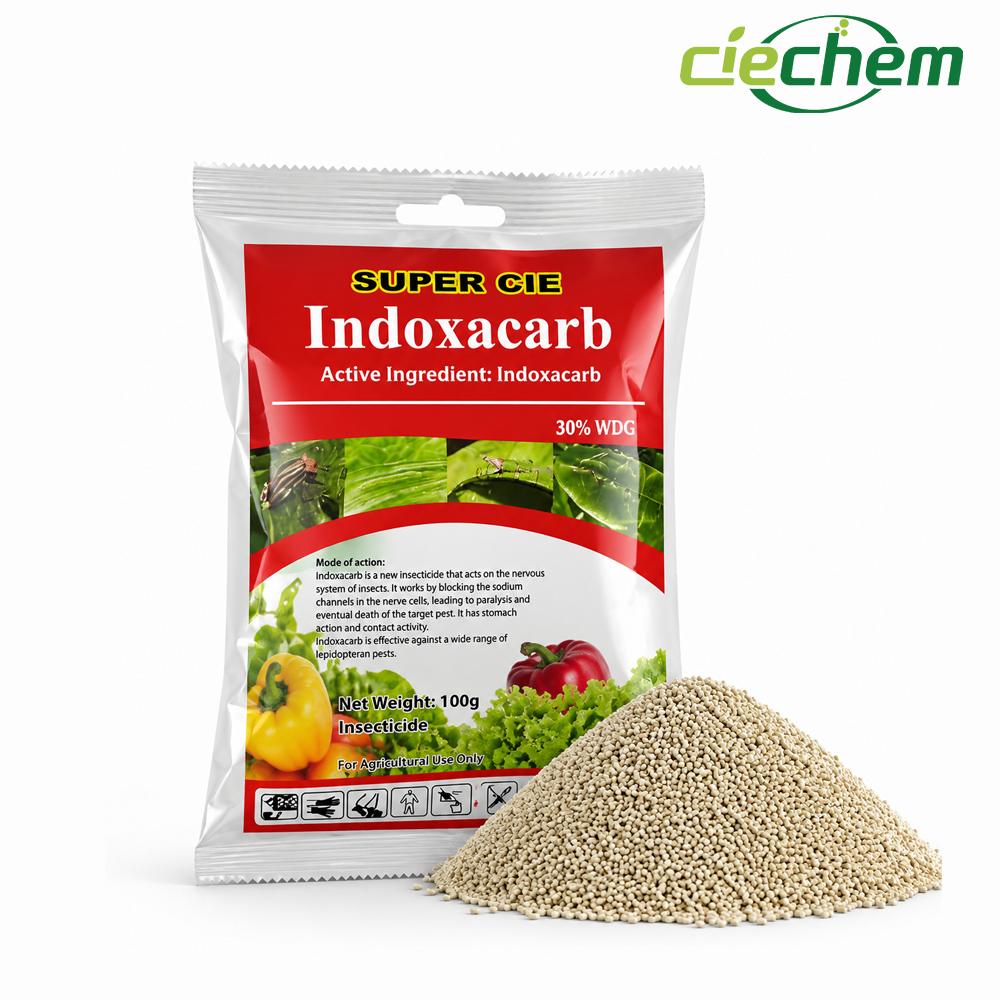
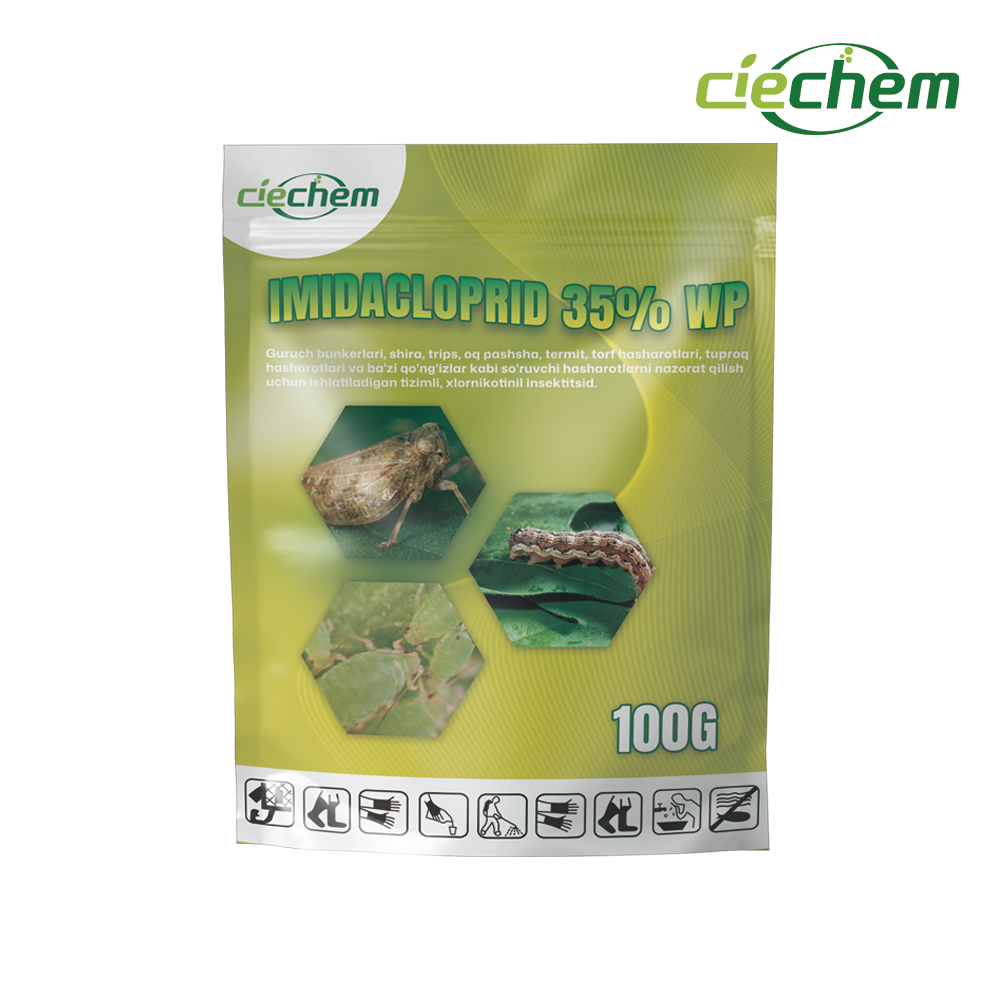
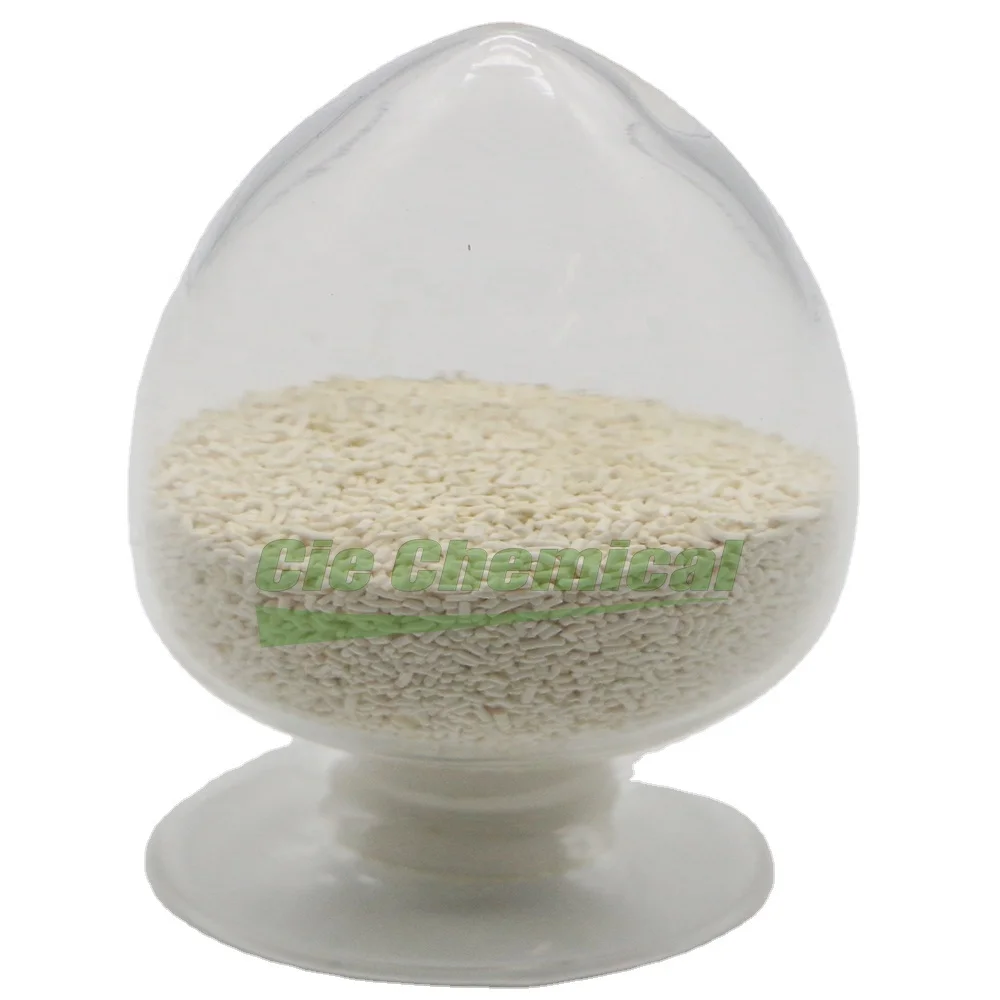
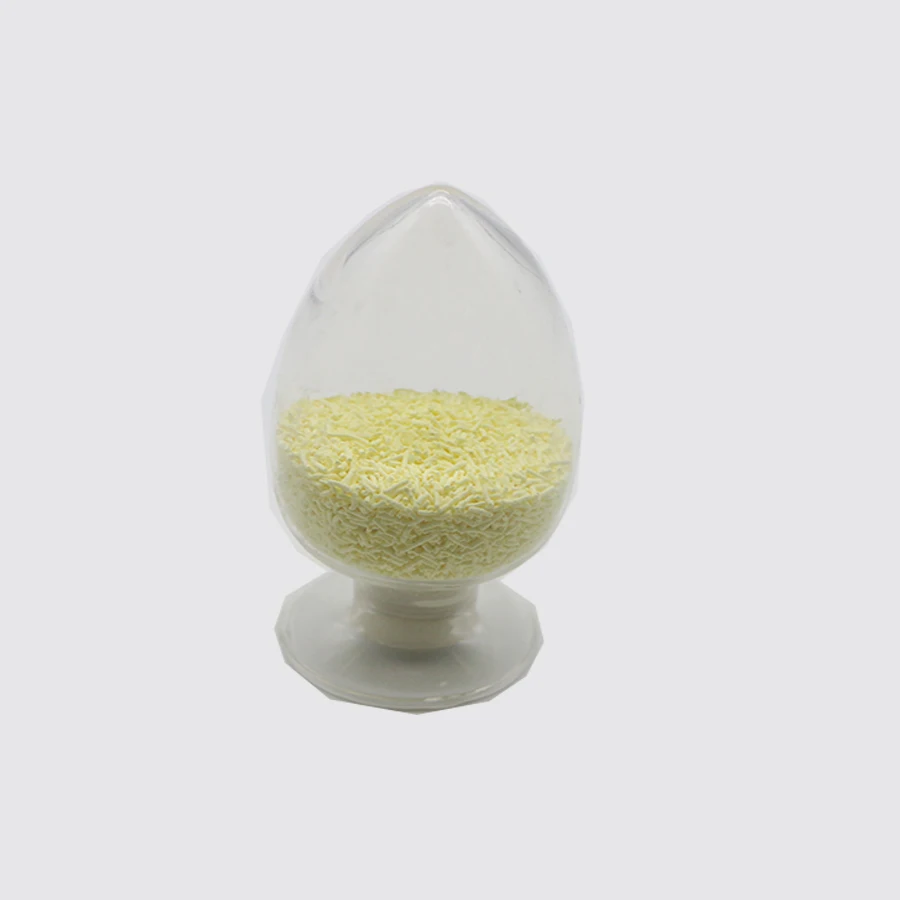
However farmers toil tirelessly to maintain the health of plants and ensure they grow robust. They put hours/effort into ensuring that food can actually come from their crops. However, they are not the only ones that want to munch on these plants; bugs want to munch too! Certain bugs can really be harmful and spoil crops, making it quite a task for farmers to produce an adequete amount of food needed by humans. Farmers use a special tool, insecticides, to protect their crops from these bad bugs. Insecticides — By definition, these are specific chemicals that kill or control the insects damaging the crops. Farmers must be able to use insecticides, because staying right crops produce healthy plants and ensure food for all the people who need it.
There are various types of insecticides available for the farmers; The type they prefer to use is based on the bugs that are destroying their plants. They apply some insecticides on the plants themselves and others are added to soil of where these plants grow. Some insecticides are meant for specific insects while others target multiple types of insects. The types of insecticides used in agriculture are contact insecticides, systemic insecticides, stomach insecticides. Contact insecticides work by killing bugs upon contact with the chemical. Systemic insecticides also are absorbed by the plant through its roots, acting from within. Design insecticides overwhelm bugs when they munch on the foliage or stems of a plant.
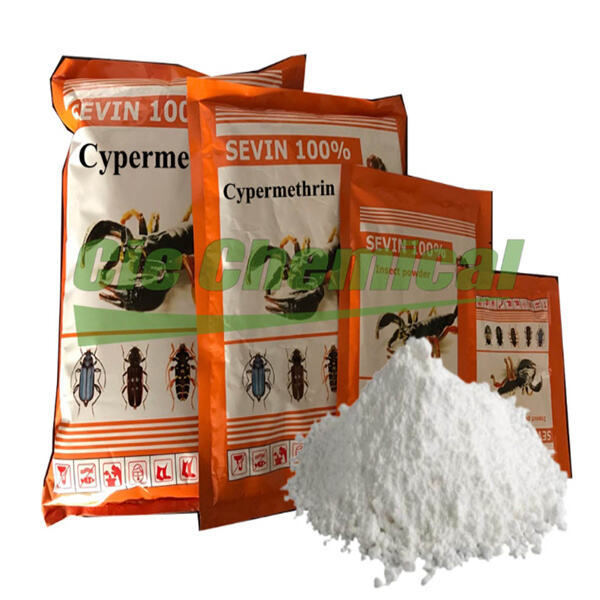
Choice of insecticide for crops is crucial for farmers. Using the right one ensures that it functions well against problematic bugs. And the insecticide must also be nontoxic to human being and environment. Farmers have to meticulously stick to the directions on the insecticide labels. Users should not use it before reading the label and can just use it according to the same. Farmers receive key information from the label, including how much insecticide to apply, how often to apply it, and what precautions they need to follow. Sensible storage: insecticides should be kept out of reach of children and pets. Farmers should use the insecticides and then dispose of them as indicated on the label.
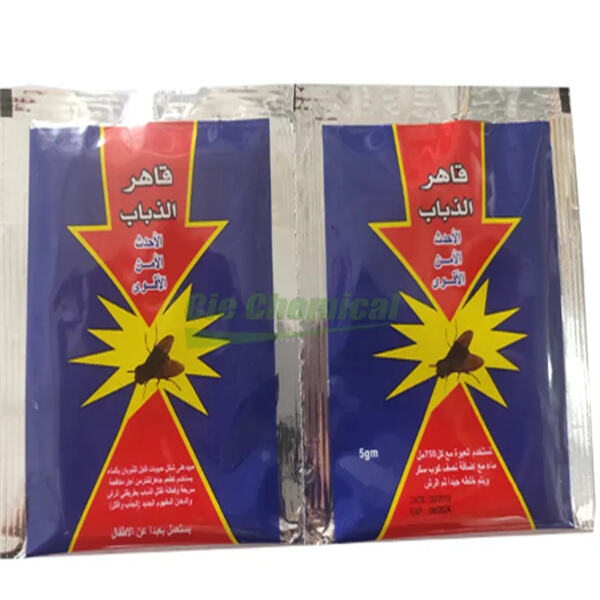
Insecticides are by no means the sole answer to combating crop pests, although they can be indispensable. So many farmers attempt to find alternative environmentally best practices. One method is Integrated Pest Management (IPM). IPM is regarded as a holistic strategy which integrates multiple strategies of pest control. Flipping the types of crops that are planted, using natural enemies of the pest and implementing best practices in agriculture to keep bugs from coming back. Another thing IPM takes into account is the impact of pest control on the environment and human well-being. Farmers can also use natural insecticides. These are formulated with safe ingredients such as neem oil, garlic spray and soap spray. They are less dangerous, and can be used in animal agriculture and at the same time, it does not affect people or the environment.
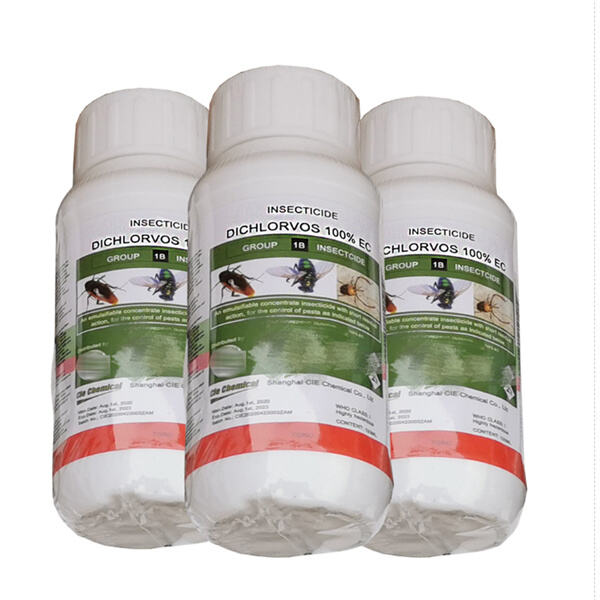
This is helpful but, if insecticides are not used carefully, they can be dangerous to humans and the ecosystem as well. For that reason, farmers need to take appropriate care when using these chemicals for their own and others' safety. Wearing protective clothing such as gloves, masks, goggles is among the most significant steps. Along these lines, it shields them from any harm because of the concoction operators. Farmers also need not to use the insecticides when it is windy because wind can led to carry out of chemical and harm others people, animals or plants nearby. Furthermore, farmers should ensure that all insecticides are maintained in a secure area which are unavailable to both children and pets. Farmers should dispose of remaining insecticides in accordance with label instructions because it is very important.
The pesticide products we sell comply with relevant national regulations and standards. Ensure the reliability and stability of product quality.1. Pre-sales consultation: We will provide customers with professional pre-sales consultation services to answer their questions about the use, dosage, storage and other issues of clothing and medicine. Customers can get our help by phone, email or online consultation before purchasing.2. After-sales training: We will regularly organize pesticide use training, including the correct use of pesticides, precautions, protective measures, etc., to improve customers' pesticide use skills and safety awareness.1/33. After-sales return visits: We will conduct regular after-sales return visits to our customers to understand their usage and satisfaction, collect their opinions and suggestions, and continuously improve our services.
Shanghai CIE Chemical Co.,ltd. was established on November 28, 2013. CIE has focused on chemical exports for about 30 years. At the same time, we will be committed to bringing more good products to more countries.In addition, our factory has an annual production capacity of glyphosate of approximately 100,000 tons and acetochlor of approximately 5,000 tons. In addition, we also cooperate with some multinational companies to produce paraquat and imidacloprid. Therefore, our quality is world-class.Currently, the dosage forms we can produce include SL, SC, OSC, OD, EC, EW, ULV, WDG, WSG, SG, G, etc. At the same time, our R&D department is always committed to the development of new formulas to produce some blended chemicals according to market needs. In this way, the efficiency of our new products can meet the needs of end consumers around the world.We always see it as our responsibility.In addition, so far, we have supported the registration of more than 200 companies in 30 countries around the world. At the same time, we are doing GLP reporting for some products.
In the world of CIE, you will find excellent agrochemical manufacturing and technical services because we focus on chemicals and researching new products for the people of the world.At the beginning of the 21st century, our factory only focused on national brands. After several years of development, we began to explore international markets, such as Argentina, Brazil, Suriname, Paraguay, Peru, Africa, South Asia, etc. As of 2024, we have established business relationships with partners from more than 39 countries. At the same time, we will be committed to bringing more good products to more countries.
1. Increased output:Pesticides can effectively control pests, diseases and weeds, thereby reducing pest levels, increasing yields and ensuring food security.2. Save labor and time:The use of pesticides can reduce farmers’ labor and time costs and effectively improve agricultural production efficiency.3. Guarantee economic benefits:Pesticides can prevent AIDS, ensure harvests, and be used in agricultural production brought brilliant economic benefits.4. Ensure food safety and quality:Pesticides can ensure the safety and quality of grain and food, avoid prevention prevent the occurrence of epidemics and protect people's health.
 EN
EN
 AR
AR
 FR
FR
 EL
EL
 HI
HI
 IT
IT
 PT
PT
 RU
RU
 ES
ES
 TL
TL
 IW
IW
 ID
ID
 UK
UK
 VI
VI
 SQ
SQ
 TR
TR
 FA
FA
 AF
AF
 MS
MS
 SW
SW
 AZ
AZ
 UR
UR
 BN
BN
 HA
HA
 IG
IG
 JW
JW
 KM
KM
 MN
MN
 SO
SO
 ZU
ZU
 MY
MY
 KK
KK
 TG
TG
 UZ
UZ
 AM
AM
 KU
KU
 KY
KY
 PS
PS
 SN
SN
 XH
XH