share
| Specification | Crops/Sites | Control object |
Dosage (dosage/hectare) |
| clomazone 480g/l EC | Spring soybean field | annual weeds | 2100-2400 ml/hectare |
| clomazone 360g/l CS | Transplanted rapeseed field | annual weeds | 390-495 ml/hectare |
| Rice | Qianjinzi | 495-750 ml/hectare |
|
Product name
|
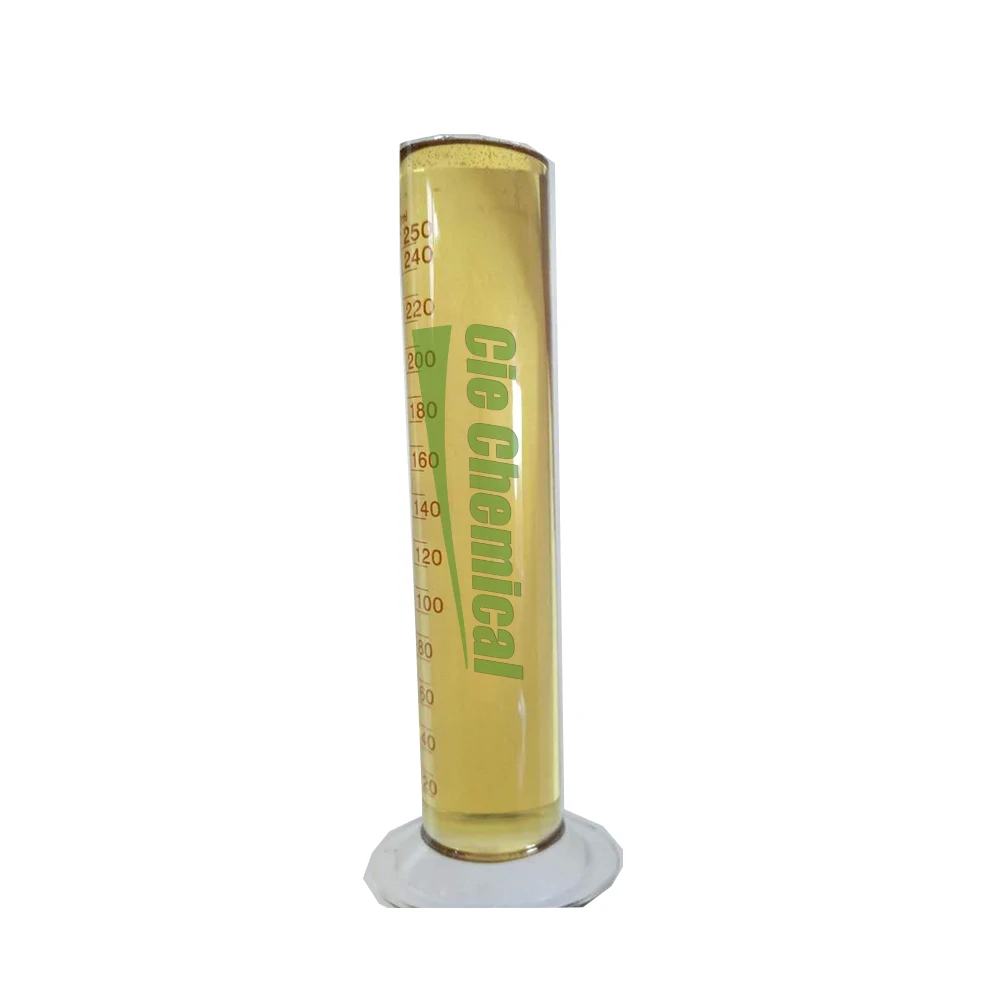
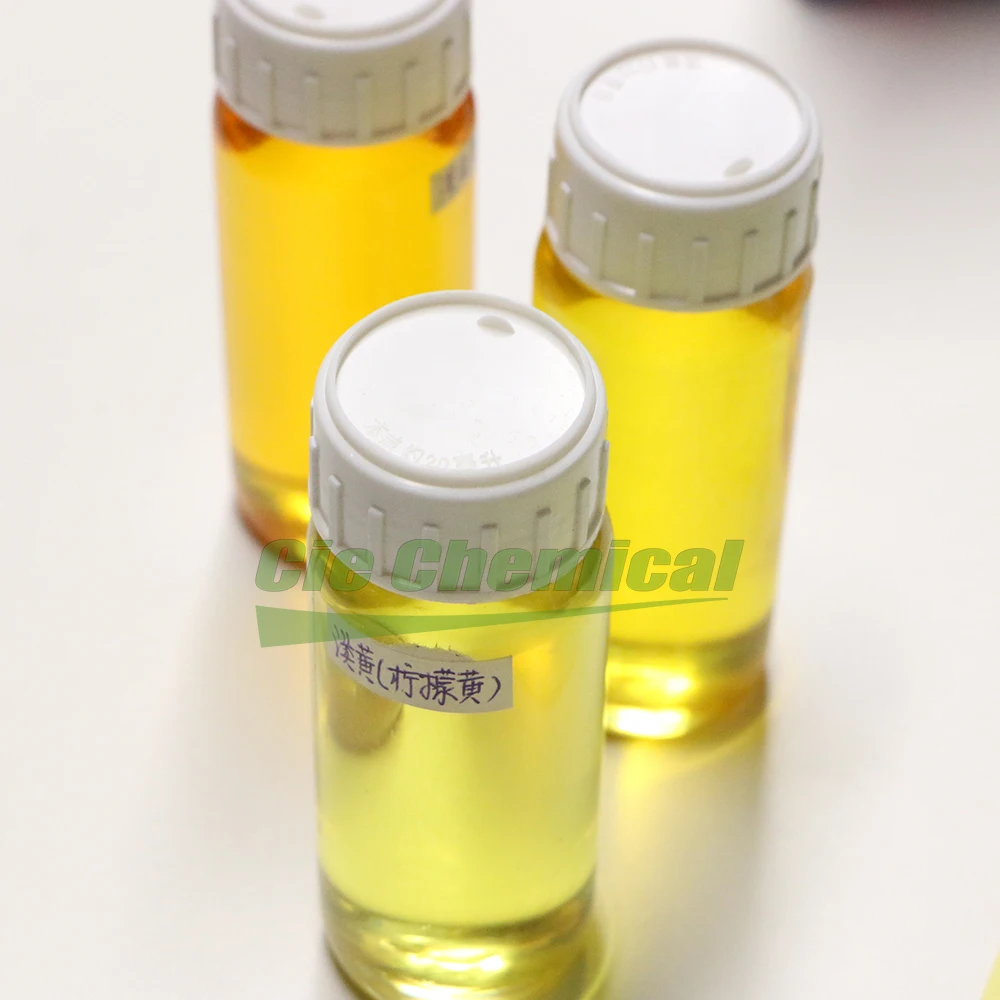
Clomazone 480g/L EC
|
|||
|
General info
|
Function: Herbicide
|
|||
|
Specification: 480g/L EC
|
||||
|
CAS: 81777-89-1
|
||||
|
High effective agrochemical
|
||||
|
Toxicology
|
Oral Acute oral LD50 for male rats 2077, female rats 1369 mg/kg. Skin and eye Acute percutaneous LD50 for rabbits >2000 mg/kg. Practically non-irritating to eyes (rabbits). Inhalation LC50 (4 h) for rats 4.8 mg/l. NOEL (2 y) for rats 4.3 mg/kg daily. ADI 0.043 mg/kg (proposed). Toxicity class WHO (a.i.) II; EPA (formulation) III
|
|||
|
Application
|
Clomazone Mode of action Selective herbicide, absorbed by the roots and shoots and translocated upward. Susceptible species emerge but are devoid of pigmentation. Clomazone Uses Control of broad-leaved and grass weeds in soya beans, peas, maize, oilseed rape, sugar cane, cassava, pumpkins, and tobacco. Applied pre-emergence or pre-plant incorporated. Phytotoxicity Foliar contact or vapours may cause visual symptoms of chlorosis to nearby sensitive plants. Clomazone Formulation types CS; EC; WP. Clomazone
|
|||
|
MOQ
|
2000L
|
|||


 EN
EN
 AR
AR
 FR
FR
 EL
EL
 HI
HI
 IT
IT
 PT
PT
 RU
RU
 ES
ES
 TL
TL
 IW
IW
 ID
ID
 UK
UK
 VI
VI
 SQ
SQ
 TR
TR
 FA
FA
 AF
AF
 MS
MS
 SW
SW
 AZ
AZ
 UR
UR
 BN
BN
 HA
HA
 IG
IG
 JW
JW
 KM
KM
 MN
MN
 SO
SO
 ZU
ZU
 MY
MY
 KK
KK
 TG
TG
 UZ
UZ
 AM
AM
 KU
KU
 KY
KY
 PS
PS
 SN
SN
 XH
XH