share
| Specification | Mabhuru/Sites | Kusimudzira Mumwe |
Maswera (dhasi/here) |
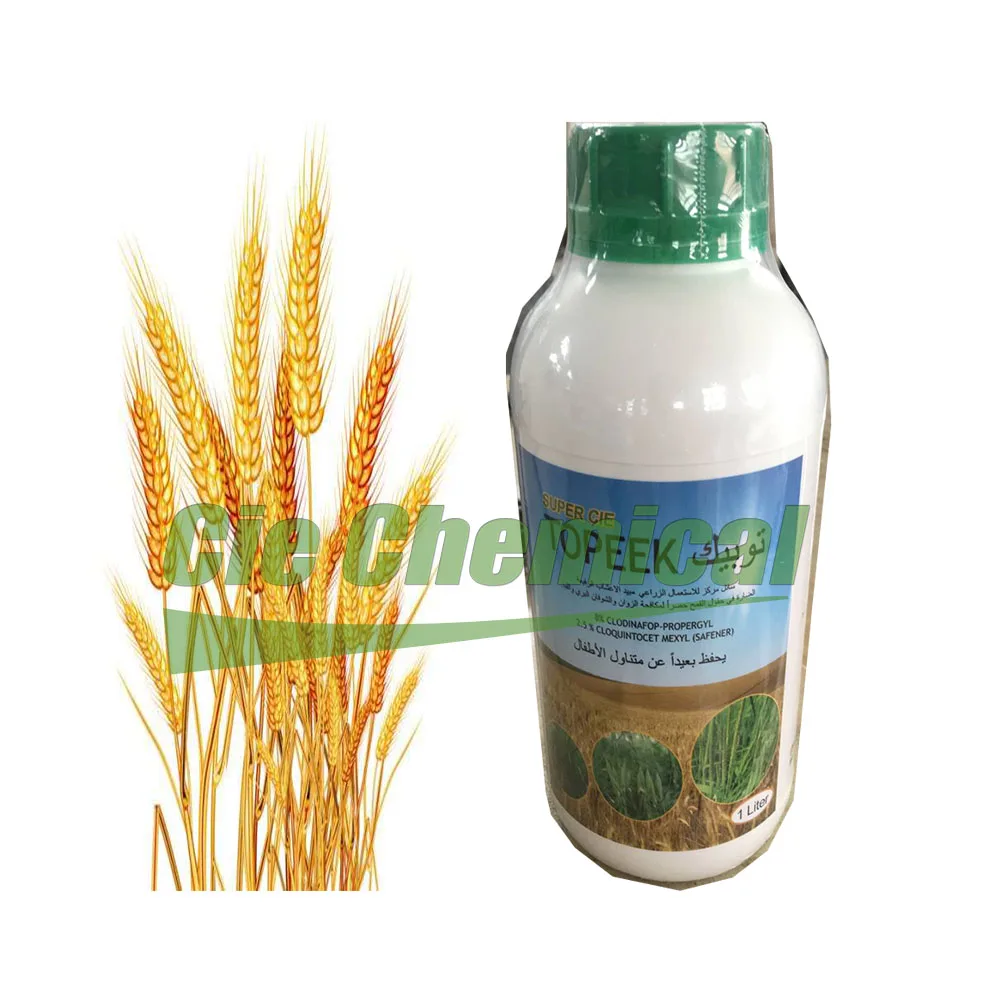
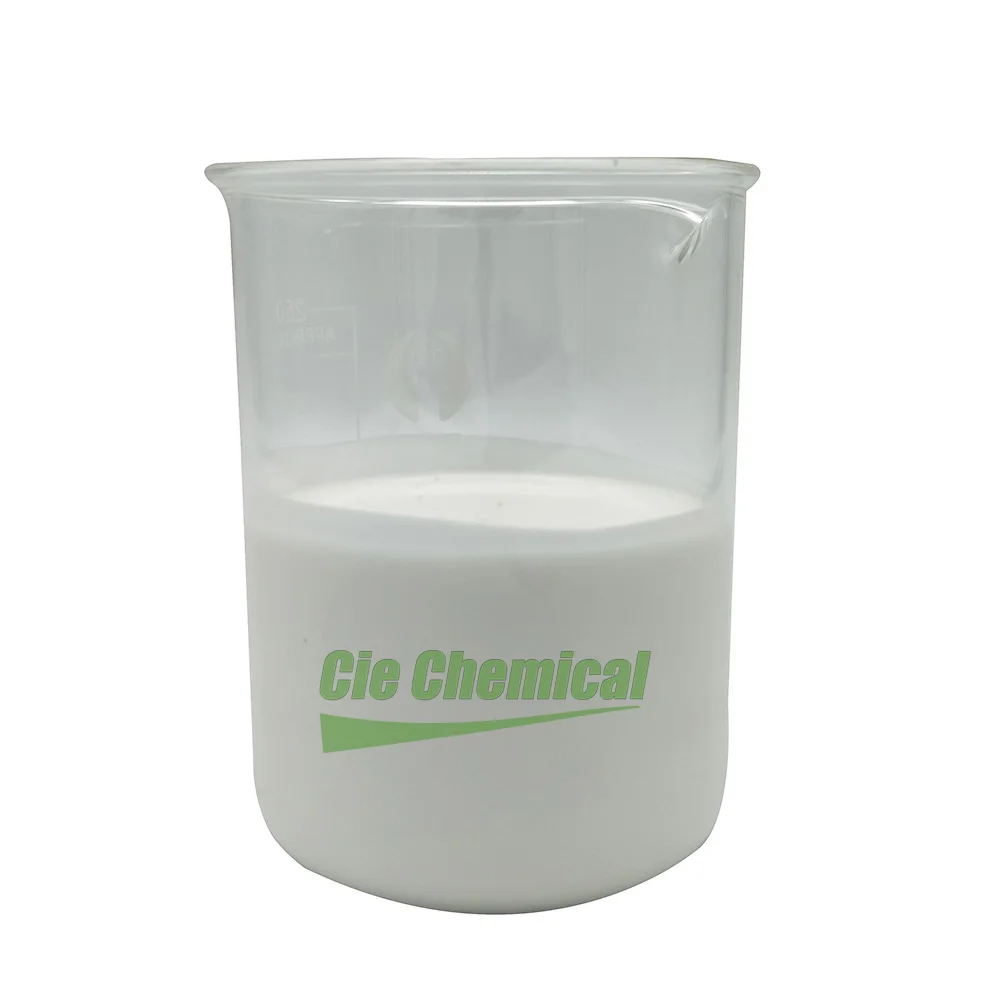
| Clodinafop-propargyl 15% WP | Masvi nezvidhoma zvekugara | annual grass weeds | 300-450 g/here |
| Clodinafop-propargyl 80g/l EW | Winter wheat field | 600-825 ml/here | |
| Mafamba wechimera chemberegezi | 450-600 ml/here |
|
Zita reChikamu
|
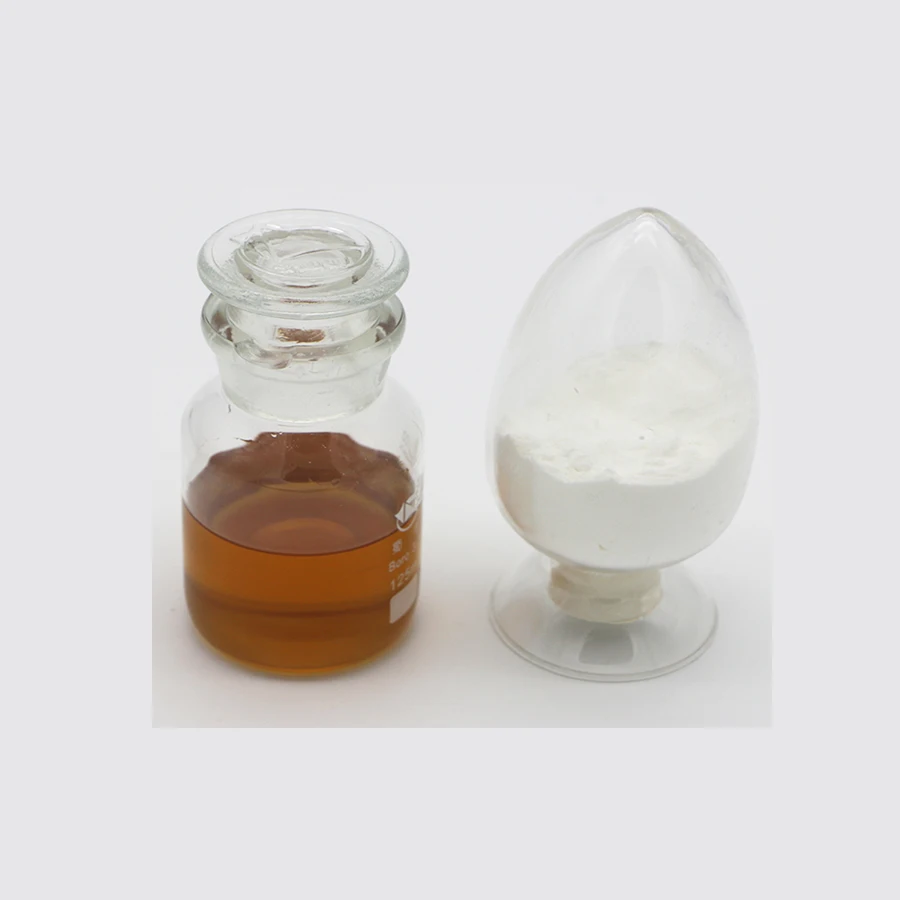
Clodinafop propargyl
|
|||
|
Mamiriro evasikiswa
|
Chirevo: Chikumbiro
|
|||
|
Specification: 15% WP
|
||||
|
CAS: 105512-06-9
|
||||
|
Agrochemical yakakwanisira
|
||||
|
Toxicology
|
Kusvika Acute oral LD50 kumusha wevanhu vachimbisana ne 1392, vanhu vari vane 2271, mice >2000 mg/kg. Mabvi uye mazuva Acute percutaneous LD50 rats >2000
mg/kg. Hakutinoti mazuva uye mabvi (rabbits). Inotienziswa kuti yashaya sensitisation yemabvi (guinea pigs). Inhalation LC50 (4 h) rats 2.325 mg/l air. NOEL (2 y) rats 0.35, (18 mo) mice 1.2, (1 y) dogs 3.3 mg/kg b.w. daily. ADI 0.004 mg/kg b.w. Toxicity class WHO (a.i.) III (company classification) EC classification (R22, R43) |
|||
|
Kusimudzira
|
clodinafop propargyl Mode of action: Post-emergence, systemic grass herbicide. Phytotoxic symptoms appear within 1-3 weeks,
affecting meristematic tissue. clodinafop propargyl Uses Used for post-emergence control of annual grasses, including Avena, Lolium, Setaria, Phalaris and Alopecurus, in cereals, at 30-60 g/ha. Phytotoxicity Low toxicity to spring and winter wheat. Formulation types EC; WP. |
|||
|
MOQ
|
2000KG
|
|||


 EN
EN
 AR
AR
 FR
FR
 EL
EL
 HI
HI
 IT
IT PT
PT RU
RU
 ES
ES
 TL
TL
 IW
IW
 ID
ID
 UK
UK VI
VI
 SQ
SQ
 TR
TR
 FA
FA
 AF
AF
 MS
MS
 SW
SW
 AZ
AZ
 UR
UR
 BN
BN
 HA
HA
 IG
IG
 JW
JW
 KM
KM
 MN
MN
 SO
SO
 ZU
ZU
 MY
MY
 KK
KK
 TG
TG
 UZ
UZ
 AM
AM
 KU
KU
 KY
KY
 PS
PS
 SN
SN
 XH
XH