share
| Specification | Crops/Sites | Control Object | Dosage(dosage/hectare) |
| Chlorothalonil 62.5%+Tebuconazole 12.5% WP | Wheat | Powdery mildew | 600-750g/hectare |
| Wheat | Scab | 675-825g/hectare |
|
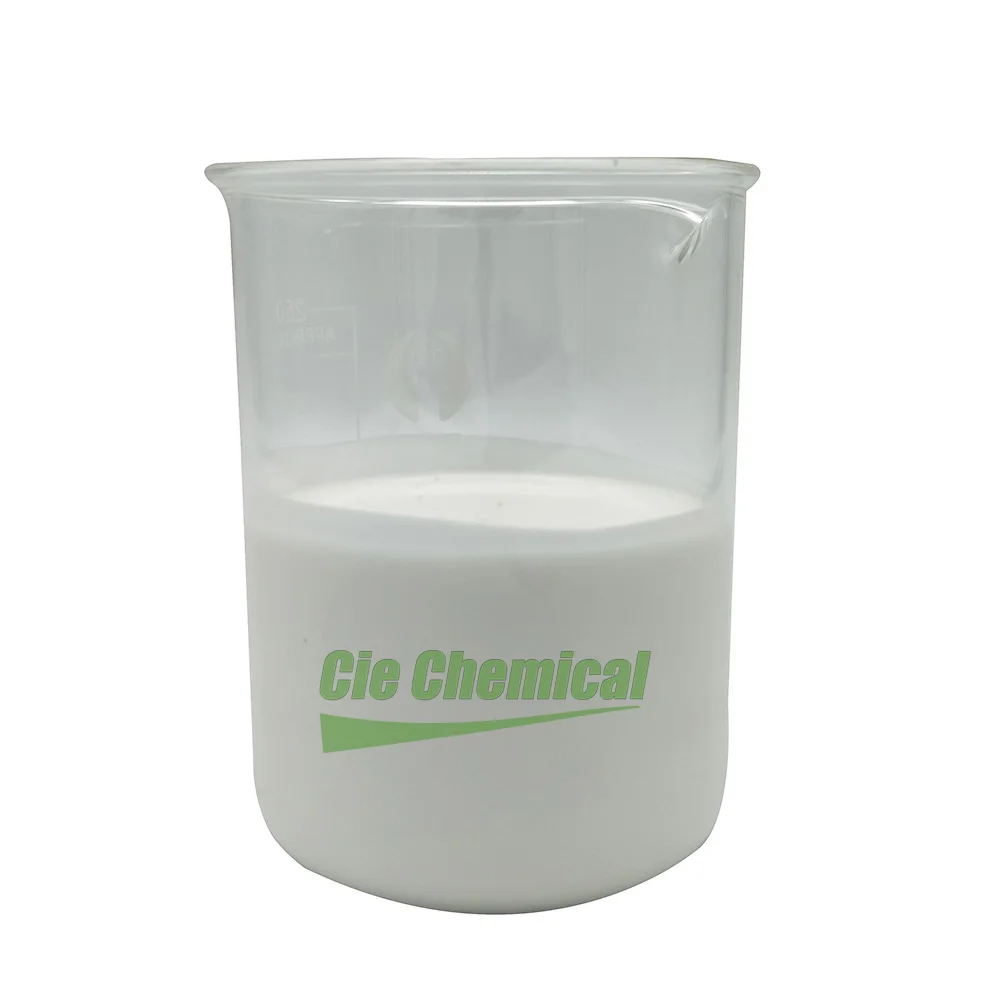
Product name
|
chlorothalonil
|
|||
|
General info
|
Function: Fungicide
|
|||
|
Specification: 20% SC
|
||||
|
CAS: 1897-45-6
|
||||
|
High effective agrochemical
|
||||
|
Toxicology
|
Reviews CAG (see part 2 of Bibliography). IARC ref. 30; 73 class 2B Oral Acute oral LD50 for rats >5000 mg/kg. Skin and eye Acute
percutaneous LD50 for albino rabbits >5000 mg/kg. Severe eye irritant; mild skin irritant (rabbits). Evidence in humans of contact dermatitis with repeated exposure. Inhalation LC50 (1 h) for rats 0.52 mg/l air; (4 h) for rats 0.10 mg/l air. NOEL Chronic administration of chlorothalonil has been associated with renal hyperplasia and hyperkeratosis of the forestomach in the kidney and forestomach of rats and male mice. These pre-neoplastic lesions precede subsequent tumour development in the rodent kidney and forestomach. The mode of action has been demonstrated to be epigenetic with a NOEL of 1.8 in rats and 1.6 in mice. In dogs, the pattern of toxicity is different from that in rodents with no evidence of toxicity in the kidney or forestomach, and a NOEL of at least 3 mg/kg b.w. (JMPR 1994). ADI (JMPR) 0.03 mg/kg [1994]; (EPA) 0.02 mg/kg (RED 1998). Toxicity class WHO (a.i.) U; EPA (formulation) II ('Bravo' SC) EC classification R40| N; R50, R53 |
|||
|
Application
|
Biochemistry Conjugation with, and depletion of, thiols (particularly glutathione) from germinating fungal cells, leading to
disruption of glycolysis and energy production, fungistasis and fungicidal action. Mode of action Non-systemic foliar fungicide with protective action. Uses Control of many fungal diseases in a wide range of crops, including pome fruit, stone fruit, citrus fruit, bush and cane fruit, cranberries, strawberries, pawpaws, bananas, mangoes, coconut palms, oil palms, rubber, pepper, vines, hops, vegetables, cucurbits, tobacco, coffee, tea, rice, soya beans, peanuts, potatoes, sugar beet, cotton, maize, ornamentals, mushrooms, and turf. Application rates for food crops are 1-2.5 kg/ha. Phytotoxicity Russetting is possible with flowering ornamentals, apples, and grapes. Some varieties of flowering ornamentals may be injured. Pittosporum foliage is sensitive. Phytotoxicity may be increased with oils or oil-containing substances. Formulation types SC; WG; WP; Fogging concentrate. Compatibility Not compatible with oils. Selected products: 'Bravo' (Syngenta); 'Daconil' (Syngenta, SDS Biotech KK); 'Banko' (Calliope); 'Bombardier' (Unicrop); 'Chloronil' (Vapco); 'Clortosip' (Sipcam); 'Corrib' (Barclay); 'Equus' (Nations Ag); 'Fungiless' (Sanonda); 'Gilonil' (Gilmore); 'Mycoguard' (Chiltern, Gharda); 'Oranil' (Cequisa); 'Talonil' (Ingenier韆 Industrial); 'Teren' (Efthymiadis); 'Visclor' (Vischim) |
|||
|
MOQ
|
2000KG
|
|||

 EN
EN
 AR
AR
 FR
FR
 EL
EL
 HI
HI
 IT
IT
 PT
PT
 RU
RU
 ES
ES
 TL
TL
 IW
IW
 ID
ID
 UK
UK
 VI
VI
 SQ
SQ
 TR
TR
 FA
FA
 AF
AF
 MS
MS
 SW
SW
 AZ
AZ
 UR
UR
 BN
BN
 HA
HA
 IG
IG
 JW
JW
 KM
KM
 MN
MN
 SO
SO
 ZU
ZU
 MY
MY
 KK
KK
 TG
TG
 UZ
UZ
 AM
AM
 KU
KU
 KY
KY
 PS
PS
 SN
SN
 XH
XH