share
|
Specification |
Crops/Sites |
Control object |
Dosage(dosage/hectare) |
|
Fenoxaprop-P-Ethyl Herbicide 69g/L |
Soybean field |
Annual gramineae weeds |
50-70ml/hectare |
|
Fenoxaprop-P-Ethyl Herbicide 69g/L |
Cotton field |
Annual gramineae weeds |
50-60ml/hectare |
|
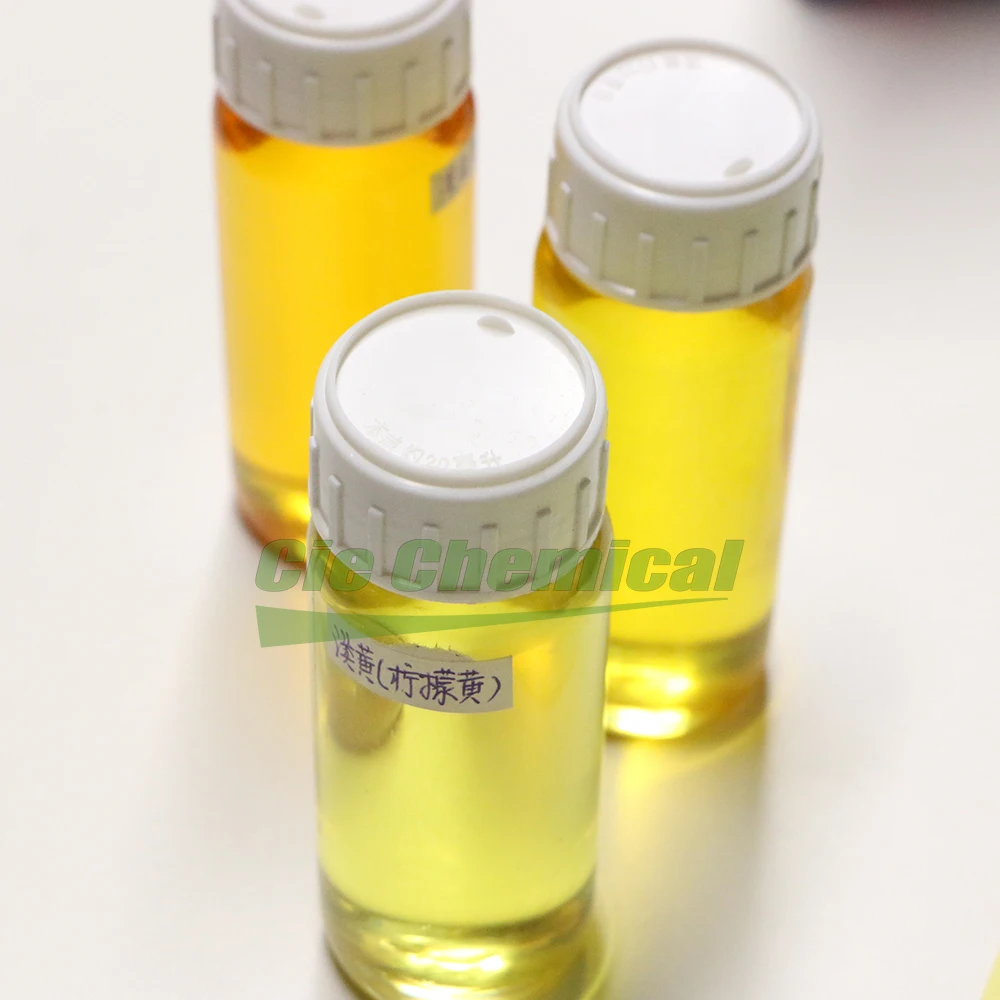
Product name
|
fenoxaprop-P-ethyl
|
|
Function
|
Herbicide
|
|
Specification
|
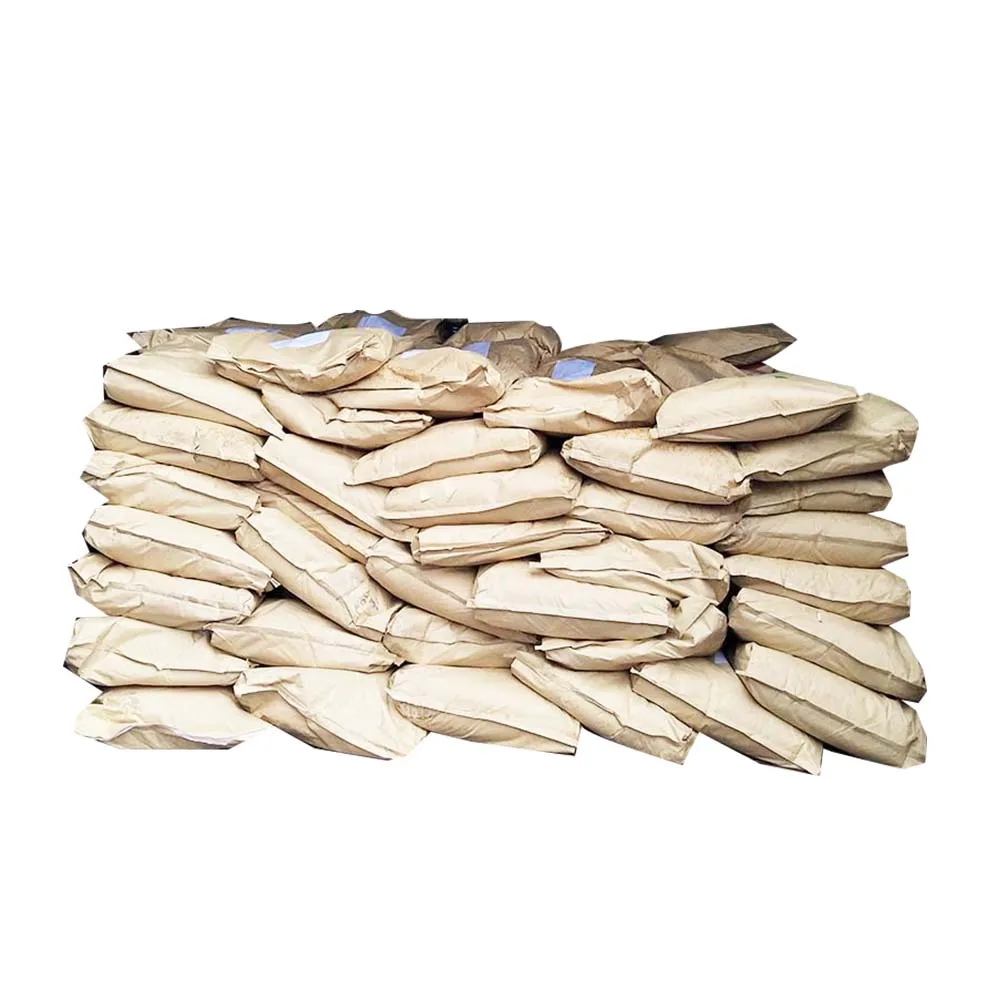
95%TC, 10%EC, 69 g/l EW
|
|
CAS
|
71283-80-2
|
|
Toxicology
|
Oral Acute oral LD50 for male and female rats and mice >5000 mg/kg.
Skin and eye Acute percutaneous LD50 for male and female rats >2000 mg/kg. Moderate eye irritant; not a skin irritant (rabbits);
not a skin sensitiser (guinea pigs). The 75% formulation is not an eye irritant. Inhalation LC50 for rats (4 h) 5.47 mg/l. NOEL In 28 d feeding trials on rats and mice, no adverse effect up to 30 g/kg diet. Toxicity class WHO (a.i.) U |
|
Application
|
After removing the inactive part (S body) and refining (R body) from the active ingredient, fenoxazolaxyl is a selective, endogenous conduction type treatment agent for the stem and leaf after seedling. The active ingredient is absorbed by the stem leaves and is transmitted to the growth points of the leaves, intersegmental tissue, and root, and rapidly transformed into a free acid of benzene. Inhibition of fatty acid biosynthesis, damage to the growth of weeds, meristem, rapid action, after the application of 2 ~ 3 days to stop growing, 5 ~ 7 days of heart leaf chlorosis purple, meristem brown, and then tiller base necrosis, leaves turned purple and died. Dissolved into inactive metabolites and detoxified in drug-resistant crops.
|



 EN
EN
 AR
AR
 FR
FR
 EL
EL
 HI
HI
 IT
IT
 PT
PT
 RU
RU
 ES
ES
 TL
TL
 IW
IW
 ID
ID
 UK
UK
 VI
VI
 SQ
SQ
 TR
TR
 FA
FA
 AF
AF
 MS
MS
 SW
SW
 AZ
AZ
 UR
UR
 BN
BN
 HA
HA
 IG
IG
 JW
JW
 KM
KM
 MN
MN
 SO
SO
 ZU
ZU
 MY
MY
 KK
KK
 TG
TG
 UZ
UZ
 AM
AM
 KU
KU
 KY
KY
 PS
PS
 SN
SN
 XH
XH