 EN
EN
 AR
AR
 FR
FR
 EL
EL
 HI
HI
 IT
IT
 PT
PT
 RU
RU
 ES
ES
 TL
TL
 IW
IW
 ID
ID
 UK
UK
 VI
VI
 SQ
SQ
 TR
TR
 FA
FA
 AF
AF
 MS
MS
 SW
SW
 AZ
AZ
 UR
UR
 BN
BN
 HA
HA
 IG
IG
 JW
JW
 KM
KM
 MN
MN
 SO
SO
 ZU
ZU
 MY
MY
 KK
KK
 TG
TG
 UZ
UZ
 AM
AM
 KU
KU
 KY
KY
 PS
PS
 SN
SN
 XH
XH

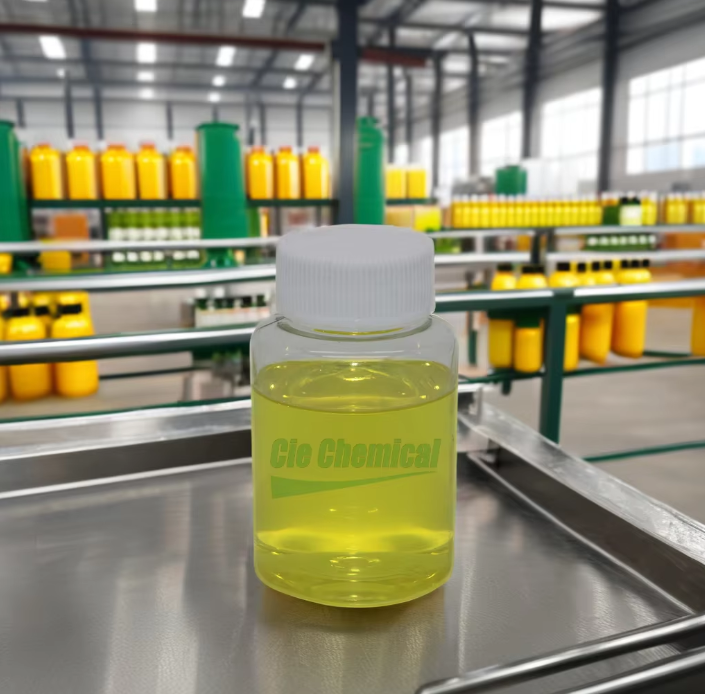
Insect resistance in field crops is a major challenge for farmers. These days it is tough to get rid of the insects through chemical control as they do not respond to pesticides anymore. In fact, this can lead to poor agricultural yields which consequently causes a shortage of food. Farmers have come up with an array of solutions to address this challenge. Their main method is utilizing intelligent techniques that will not allow the bugs to develop resistance. These methods are the ones that protect their crops and as a result, the farmers will have good harvests. An admirable organization that plays a role in this sector is CIE Chemical. For instance, they provide the farmers with the necessary tools that enable them to outsmart the insects' resistance.
What Are the Lessons from Agricultural Experience with Insect-Resistant Plants?
Farmers need to adopt some best practices to manage insect resistance in agriculture. One effective way is to practice two or more of crop rotations. This involves the practice of sowing diverse crops in the same field, every year. When farmers proceed in this way, it is different for the bugs. They simply do not get used to the new plants that they have never met before. One of the ways is to carry out integrated pest management (IPM). It is a set of different approaches. This might be the case, for example, if the farmers' fields are inhabited by the natural predators of the harmful insects, like ladybugs. Resistant crop varieties can also be utilized by the agronomists. The plants used are the ones that are targeted to the resist in the first place insect attacks, thus reducing the use of pesticides.
Another key is to use pesticides wisely. Farmers are not supposed to use the same pesticide repeatedly. Instead, they combine and cross-sell other merchandise. This will assist in preventing insects developing resistance to a particular chemical. The application is also significant in time. Pesticides prove to be more efficient when they are applied at the appropriate time. Lastly, growers are to check their plants as frequently as possible. Their role in early identification of the problems can help them avoid them before they may turn out to be uncontrollable through inspections. CIE Chemical Manufacturer does have its solutions to all these practices to help to facilitate the path towards letting a farmer be able to protect their crops.
Where To Get Wholesale Offers For I-Rm
Wholesale insect resistance management possibilities are not that difficult to find. The farmers will be able to find suppliers specializing in agricultural products. Some of these suppliers possess petroleum control chemicals, organic or pesticides and other remedies. CIE Chemical is one of the best options that growers could select. They provide a collection of products so that they can manage insect resistance.
Agricultural trade fairs can also be attended by the farmers. These are fantastic in acquiring new goods and new methods. During the trade show, the growers will visit different companies such as the CIE Chemical and find out what they have. Online materials would also come in handy. Farming Web sites occasionally include lists of suppliers and produce. Other farmers form cooperatives groups which help them to order in large quantities and thus reduce the cost.
Finally, one should talk to other farmers to find solutions. They are able to share what works with them and recommend suppliers. It has been said that you should form a web of support on production aspect of agriculture. The interaction with fellow farmers will lead you to find out the most effective methods of solving and dealing with the insect resistance on your crops.
What Are the Best Pest Control Tactics for Professionals?
There are also ways through which professional farmers can control any bugs that may inflict damage to their crops. Spraying of chemical insecticides is one of the most widespread techniques. These are insecticides that may cause the death of dangerous insects. Growers should however use these sprays with caution. The guidelines must be observed closely because otherwise they are not effective and may cause harm to good insects or the environment. The other approach is through the use of biological control. That involves the introduction of the natural enemies of the pests, the ladybugs or some wasps that feed on the bad insects. This is a system that ensure that the population of various types of insects remain in check. What is more, business producers are inclined to cultivate various sorts of crops simultaneously in a rotating order. This leaves the pests confused and it becomes difficult to stay in one place.
CIE Chemical also offers products to get rid of pests. These are bio-insecticides which are specific to the insects and are harmless to the environment and the plant. Farmers should be up to date with pesticides and pesticide management practices. Education is key! It can be assisted by participating in workshops and reading about the current research in order to choose the most appropriate approaches to their farms. Cultural, bio-chemical and integrated approaches aid professional growers to bury their spirits against the insects that are menacing their existence.
Integrated Pest Management on Field Crops What is Integrated Pest Management?
IPM since it is an intelligent method of pest control to professional growers. That is it; several methods of managing the insects in an environmentally friendly manner. Monitoring of the frequently used fields is the first stage of IPM. This would be by inspecting the plants to determine whether they have pests. Issues can be detected early by growers who would be able to deal with them before they end up being big. When this is known, individuals are then in a position to decide on how to handle the insects at hand in the best way possible.
The usage of the products manufactured by CIE Chemical may become a part of this program. These can be employed when the pests are too many. However, IPM does not simply deal with chemicals. It also addresses other forms of pest control which include planting of crop varieties that are resistant to pests. There are plants that are more resistant to insects and you will escape having the treatments made. The fact that learning of workers in the farm is also part of IPM. When the entire community is aware of the strategy and the way to recognize pests, then they can pull together in order to maintain healthy crops.
IPM enables growers to reduce expenditures and damage the environment through a combination of methods. It makes the crops, the soil and even the insects that help in balancing the ecosystem good. In the long run, IPM would imply healthier crops and more abundant harvest. Professional growers can therefore consider using this practice to secure your fields and maintain their productivity.
Insect Resistance - A Brief Guide To How The Pros Stay Ahead
In the course of time, pesticides may lead to resistance in insects, thus making them harder to control by professional growers. To beat this, farmers must be smart and progressive. This can be done by rotating the kind of pesticides that they use. Now they can use one pesticide at a time then shift to the other as opposed to using one pesticide continuously. This minimizes chances of insect becoming resistant since they are subjected to other chemicals.
Moreover, professional growers are expected to keep learning more about tricks, and new trends and discoveries in pest management. It refers to reading articles, sitting in conferences and down training classes. Companies like CIE Chemical likewise provide information on the latest types of pest remedies and the products that are most recent so that the independent manufacturer can stay on top of their ear to the ground. The other important step is to maintain healthy soil and plants. Strong and healthy plants are likely to be able to resist pests.
The growers can also enhance the existence of beneficial insects that normally feed on pests. As an example, there are insects such as ladybugs, which will feed on other insect species given that you plant flowers in your yard which will attract ladybugs. When the good insects thrive, there is no need of using any chemical treatments by the growers.
Insect resistance prevention requires a combination of proper stewardship, continued education/ willingness to change. commercial growers would be able to keep the level of pest populations in a reasonable range, as well as ensure that crops remain healthy, should they adopt a mix of strategies and keep informed. This is a futuristic move that is particularly critical in modern day success in farming.
Table of Contents
- What Are the Lessons from Agricultural Experience with Insect-Resistant Plants?
- Where To Get Wholesale Offers For I-Rm
- What Are the Best Pest Control Tactics for Professionals?
- Integrated Pest Management on Field Crops What is Integrated Pest Management?
- Insect Resistance - A Brief Guide To How The Pros Stay Ahead