 EN
EN
 AR
AR
 FR
FR
 EL
EL
 HI
HI
 IT
IT
 PT
PT
 RU
RU
 ES
ES
 TL
TL
 IW
IW
 ID
ID
 UK
UK
 VI
VI
 SQ
SQ
 TR
TR
 FA
FA
 AF
AF
 MS
MS
 SW
SW
 AZ
AZ
 UR
UR
 BN
BN
 HA
HA
 IG
IG
 JW
JW
 KM
KM
 MN
MN
 SO
SO
 ZU
ZU
 MY
MY
 KK
KK
 TG
TG
 UZ
UZ
 AM
AM
 KU
KU
 KY
KY
 PS
PS
 SN
SN
 XH
XH

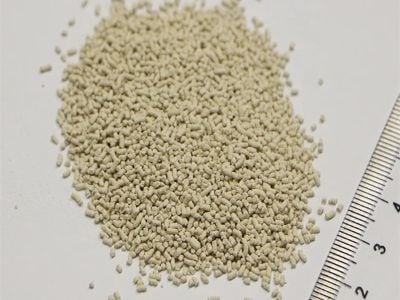
How Does 2,4-D Amine Weed Killer Help Protect Wheat and Rice Crops?
Weeds can be a major challenge for farmers growing wheat and rice. They compete with crops for nutrients, water, sunlight, and space, which can significantly reduce yields and crop quality. Effective weed management is essential for maintaining healthy and productive fields.
One of the most widely used solutions is 2,4-D Amine Weed Killer, a selective herbicide designed to control broadleaf weeds without harming cereal crops when applied correctly. By reducing weed competition, farmers can improve crop growth, maximize yields, and enhance overall farm productivity.
In modern agriculture, weed control products are often used alongside other crop management solutions such as plant growth regulator products to support healthy development and optimize field performance.
Where Can You Buy 2,4-D Amine Weed Killer for Farming?
Farmers can purchase 2,4-D Amine Weed Killer from agricultural supply stores, farm cooperatives, distributors, and reputable online agricultural retailers.
Before purchasing, it is important to verify that the product meets local agricultural regulations and is suitable for the intended crop. Comparing product specifications, customer reviews, and supplier support can help ensure a reliable purchase.
For large-scale farming operations, bulk purchasing may offer cost savings and help maintain a consistent supply throughout the growing season. Consulting local agricultural experts can also provide valuable recommendations regarding product selection and application practices.
What Are the Common Usage Issues with 2,4-D Amine Weed Killer?
Although 2,4-D Amine Weed Killer is highly effective, several factors can affect its performance.
Timing is one of the most important considerations. Applying the herbicide too late may reduce its effectiveness because mature weeds are often more difficult to control. Following label instructions carefully helps ensure optimal results.
Mixing rates must also be accurate. Solutions that are too weak may fail to control weeds effectively, while excessive concentrations can increase the risk of crop injury.
Weather conditions play a significant role as well. Rainfall shortly after application may reduce effectiveness by washing the product off plant surfaces. For best results, applications should be made during dry weather with minimal wind.
Spray drift is another common concern. Wind can carry herbicide droplets onto neighboring crops or sensitive vegetation. Applying the product during calm weather conditions helps minimize this risk.
How Does 2,4-D Amine Weed Killer Compare to Other Herbicides?
2,4-D Amine Weed Killer is widely recognized for its effectiveness against many broadleaf weed species commonly found in wheat and rice fields.
One of its key advantages is selectivity. When used according to label directions, it targets unwanted broadleaf weeds while allowing cereal crops to continue growing normally. This selective action makes it a valuable tool for crop protection.
Compared to some alternatives, 2,4-D Amine is relatively easy to apply and can often be integrated into existing weed management programs. It is frequently used alongside other products such as, glyphosate herbicide treatments in broader weed-control strategies, depending on crop stage and field conditions.
Additionally, many growers appreciate its cost-effectiveness and proven performance in a variety of agricultural environments.
How Should You Apply 2,4-D Amine Weed Killer for Best Results?
Proper application is essential for achieving effective weed control.
Always read and follow the product label before use. The label provides important information regarding mixing rates, application timing, safety requirements, and crop-specific recommendations.
The herbicide is generally most effective when applied to young, actively growing weeds. Selecting a period with favorable weather conditions can improve coverage and absorption.
Sprayers should be calibrated correctly to ensure uniform application across the field. Maintaining consistent spray coverage helps maximize weed control while reducing waste.
After treatment, farmers should monitor fields regularly to evaluate weed control performance and determine whether additional management practices are necessary.
What Are the Safety and Regulatory Considerations for 2,4-D Amine Weed Killer?
Safety should always be a priority when handling agricultural chemicals.
Users should wear appropriate personal protective equipment (PPE), including gloves, protective eyewear, long sleeves, and other recommended safety gear. These precautions help reduce exposure during mixing and application.
It is also important to follow local regulations governing herbicide use, agricultural laws and requirements can vary by region, so farmers should consult local authorities or agricultural extension services when necessary.
Proper storage is equally important. Herbicides should be stored in a cool, dry location away from children, pets, food, and feed products. Containers should remain properly sealed and clearly labeled.
Many integrated weed management programs combine herbicides with technologies such as 2 4 d weeds killer solutions, crop rotation practices, and other agronomic strategies to improve long-term weed control while promoting sustainable farming practices.
By following label instructions, observing safety requirements, and implementing responsible application practices, farmers can effectively manage weeds while protecting crops, workers, and the environment.
Table of Contents
- Where Can You Buy 2,4-D Amine Weed Killer for Farming?
- What Are the Common Usage Issues with 2,4-D Amine Weed Killer?
- How Does 2,4-D Amine Weed Killer Compare to Other Herbicides?
- How Should You Apply 2,4-D Amine Weed Killer for Best Results?
- What Are the Safety and Regulatory Considerations for 2,4-D Amine Weed Killer?