Now let us get some details regarding two types of herbicides, which are selective and non-selective herbicides. Herbicide is a type of chemical that kills unwanted plants, commonly referred to as weeds. Things like weeds can grow super fast and spread over areas that we want our good plants (flowers, vegetables) to seed. So this is where herbicides become handy tools to be used by farmers and gardeners.
Selective herbicides are designed to act against only certain plants. They are able to kill some weeds without doing damage to all plants. For instance, a particular herbicide will kill broadleaf weeds (which has broad leaves) but it won’t kill grass (it has long and narrow leafs), this type is called selective. This is extremely beneficial to farmers or gardeners as it helps them eliminate the troublesome weeds and keep their good plants unaffected.
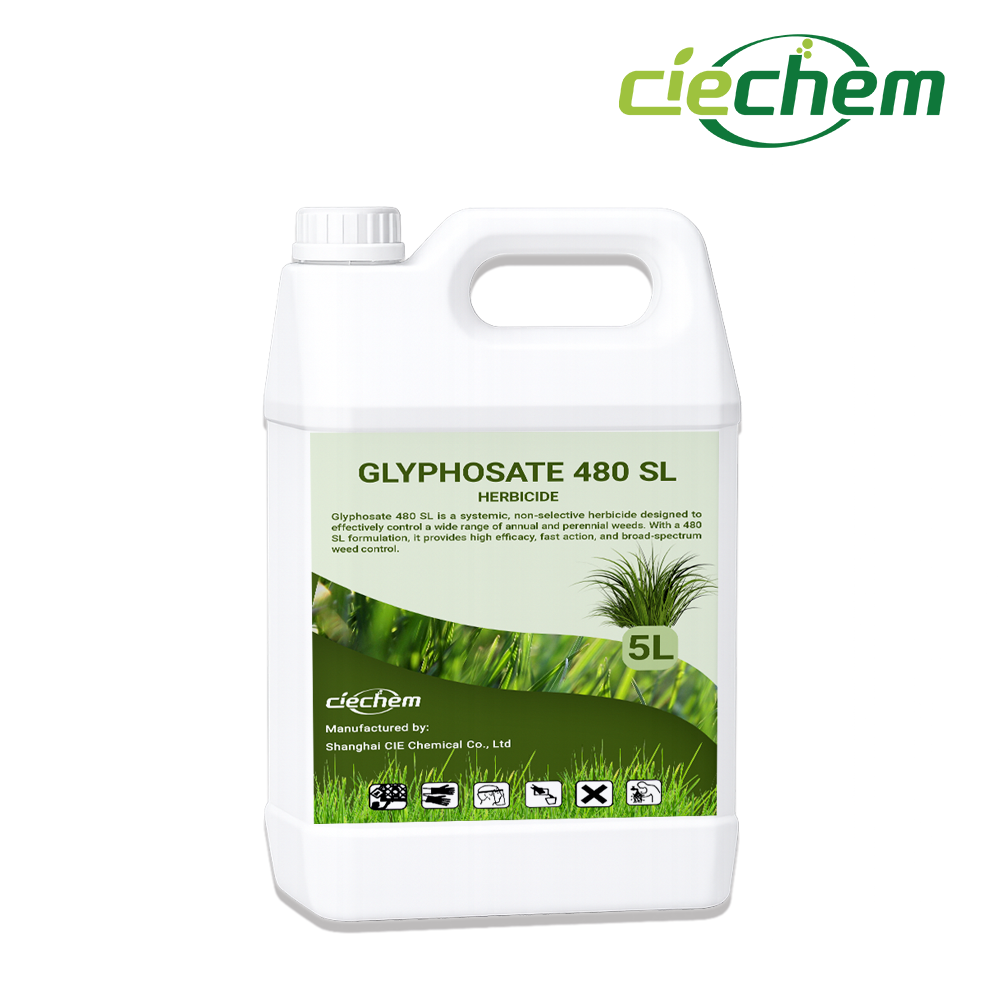
Then there are the non-selective herbicides when it comes time to talk about targeting. Such herbicides are extremely potent and will destroy any vegetation it comes in contact with. An example of one is glyphosate, which is a systemic, non-selective herbicide that will kill both the weeds you want to remove and any plants you want to keep alive. That can be dangerous if you're not cautious when using it since it'll hurt your nice plants too.
A lot of advantages, or good points, of selective herbicides. One big benefit is that they are more environmentally friendly. Because they only target certain types of plants, they are not a danger to the plants and animals we want to protect. This means less risk in gardens and farms. Moreover, some types of weeds can be quite susceptible to selective herbicides. Non-selective herbicides (ones that kill absolutely everything in your garden) can sometimes be a better solution, but then again, some weeds just remain unharmed!
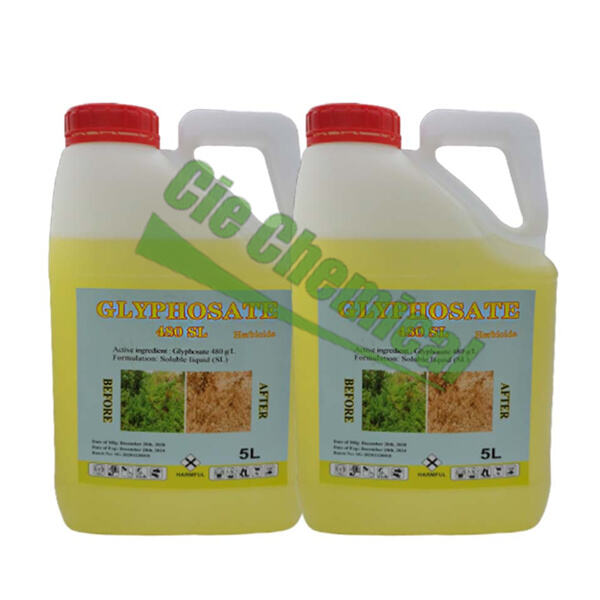
Non-selective herbicides such as glyphosate are more versatile, in that, they will kill any plant they contact. They are fast, though, and can quickly wipe out whole swaths of vegetation. This is particularly handy for larger jobs, like clearing forests, or large fields. Nevertheless, we should take into account that they are very harmful to nature and surrounding natural wildlife as well so such places must be used with utmost kind of care.
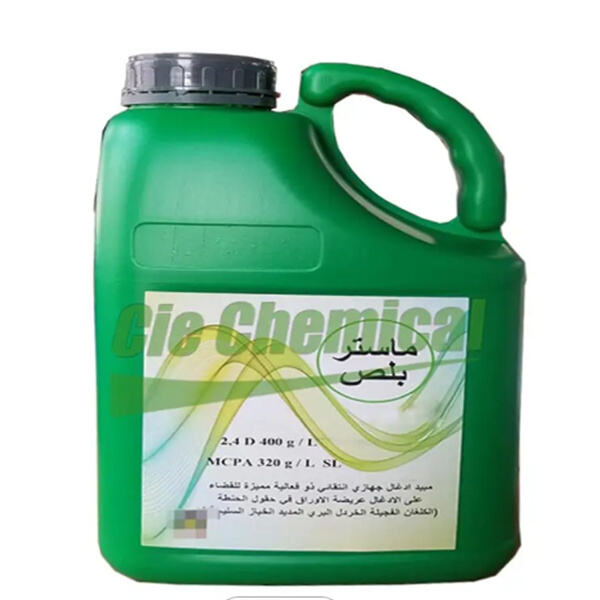
The choice of selective or non-selective herbicide boils down to what exactly you need. Selective Herbicides — If the issue is small with only a few types of weeds, a selective herbicide may be your best solution. It will allow you to target only those weeds without damaging your healthy plants. However, if your garden is a vast jungle of weeds then you might want to use something non-selective.
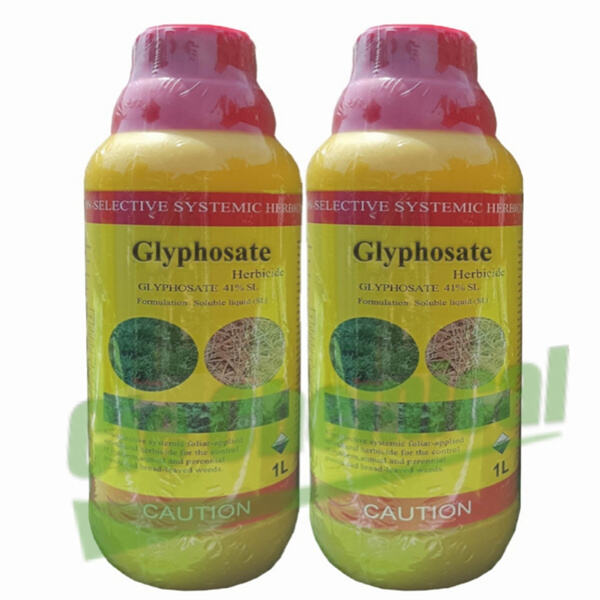
Here we told you the selective herbicides which are too useful but have disadvantages / cons. The main problem with them is they typically only work for certain types of weeds. In some circumstances, the weeds develop resistance to particular herbicide classes. Now if you follow a single herbicide for instant years, these types of of the weeds will be left in their root form, and the next time around many food products will go up just like they utilized to without reduced influence from your natural herb destructive.
In the world of CIE, you will find excellent agrochemical manufacturing and technical services because we focus on chemicals and researching new products for the people of the world.At the beginning of the 21st century, our factory only focused on national brands. After several years of development, we began to explore international markets, such as Argentina, Brazil, Suriname, Paraguay, Peru, Africa, South Asia, etc. As of 2024, we have established business relationships with partners from more than 39 countries. At the same time, we will be committed to bringing more good products to more countries.
The pesticide products we sell comply with relevant national regulations and standards. Ensure the reliability and stability of product quality.1. Pre-sales consultation: We will provide customers with professional pre-sales consultation services to answer their questions about the use, dosage, storage and other issues of clothing and medicine. Customers can get our help by phone, email or online consultation before purchasing.2. After-sales training: We will regularly organize pesticide use training, including the correct use of pesticides, precautions, protective measures, etc., to improve customers' pesticide use skills and safety awareness.1/33. After-sales return visits: We will conduct regular after-sales return visits to our customers to understand their usage and satisfaction, collect their opinions and suggestions, and continuously improve our services.
1. Increased output:Pesticides can effectively control pests, diseases and weeds, thereby reducing pest levels, increasing yields and ensuring food security.2. Save labor and time:The use of pesticides can reduce farmers’ labor and time costs and effectively improve agricultural production efficiency.3. Guarantee economic benefits:Pesticides can prevent AIDS, ensure harvests, and be used in agricultural production brought brilliant economic benefits.4. Ensure food safety and quality:Pesticides can ensure the safety and quality of grain and food, avoid prevention prevent the occurrence of epidemics and protect people's health.
Shanghai CIE Chemical Co.,ltd. was established on November 28, 2013. CIE has focused on chemical exports for about 30 years. At the same time, we will be committed to bringing more good products to more countries.In addition, our factory has an annual production capacity of glyphosate of approximately 100,000 tons and acetochlor of approximately 5,000 tons. In addition, we also cooperate with some multinational companies to produce paraquat and imidacloprid. Therefore, our quality is world-class.Currently, the dosage forms we can produce include SL, SC, OSC, OD, EC, EW, ULV, WDG, WSG, SG, G, etc. At the same time, our R&D department is always committed to the development of new formulas to produce some blended chemicals according to market needs. In this way, the efficiency of our new products can meet the needs of end consumers around the world.We always see it as our responsibility.In addition, so far, we have supported the registration of more than 200 companies in 30 countries around the world. At the same time, we are doing GLP reporting for some products.
 EN
EN
 AR
AR
 FR
FR
 EL
EL
 HI
HI
 IT
IT
 PT
PT
 RU
RU
 ES
ES
 TL
TL
 IW
IW
 ID
ID
 UK
UK
 VI
VI
 SQ
SQ
 TR
TR
 FA
FA
 AF
AF
 MS
MS
 SW
SW
 AZ
AZ
 UR
UR
 BN
BN
 HA
HA
 IG
IG
 JW
JW
 KM
KM
 MN
MN
 SO
SO
 ZU
ZU
 MY
MY
 KK
KK
 TG
TG
 UZ
UZ
 AM
AM
 KU
KU
 KY
KY
 PS
PS
 SN
SN
 XH
XH