Pesticide insecticides are important tools in agriculture. They can help farmers fend off bugs that eat and harm plants. Without these pesticides, the crops might not grow successfully, meaning less food for everyone. Insecticide pesticides made by CIE Chemical are said to be both safe and effective. With these products, farmers can improve their harvests and keep their plants healthy.
One of the advantages to insecticide pesticides is that they help enhance crop production. When farmers spray their fields with these chemical poisons, they eliminate the insects fouling crops. For instance, if a farmer grows a cornfield, bugs such as aphids may get into it. The juice of the corn plants is extracted by these pests, and the latter become weak. By applying pesticides, the farmer can save the corn and harvest more. The more crops there are, the greater the potential food production for people — an important concern in locales with limited access to food. Another advantage is that these pesticides may also manage diseases. A few insects can harbor diseases that would go on to infect plants. If a plant becomes ill, it can fail to thrive or even die. Farmers use insecticides to keep these harmful bugs away and have healthy crops. Plus, insecticides can be very user-friendly. Farmers can spray them broadly across fields, saving time and effort. That means they can get busy on other big tasks, such as planting and harvesting. Safety is another game changer in the use of insecticides. CIE Chemical manufactures products that are verified safe for the environment in normal use conditions. That means farmers can protect the crops without hurting any nearby animals or plants. After all, insecticide pesticides are a necessity for modern agriculture. They enable farmers to produce more food, prevent crops from getting sick and save time. The work of companies like CIE Chemical can help farmers keep on producing the food we all depend on. For those interested in exploring more options, Hot-sale Products can provide additional resources.
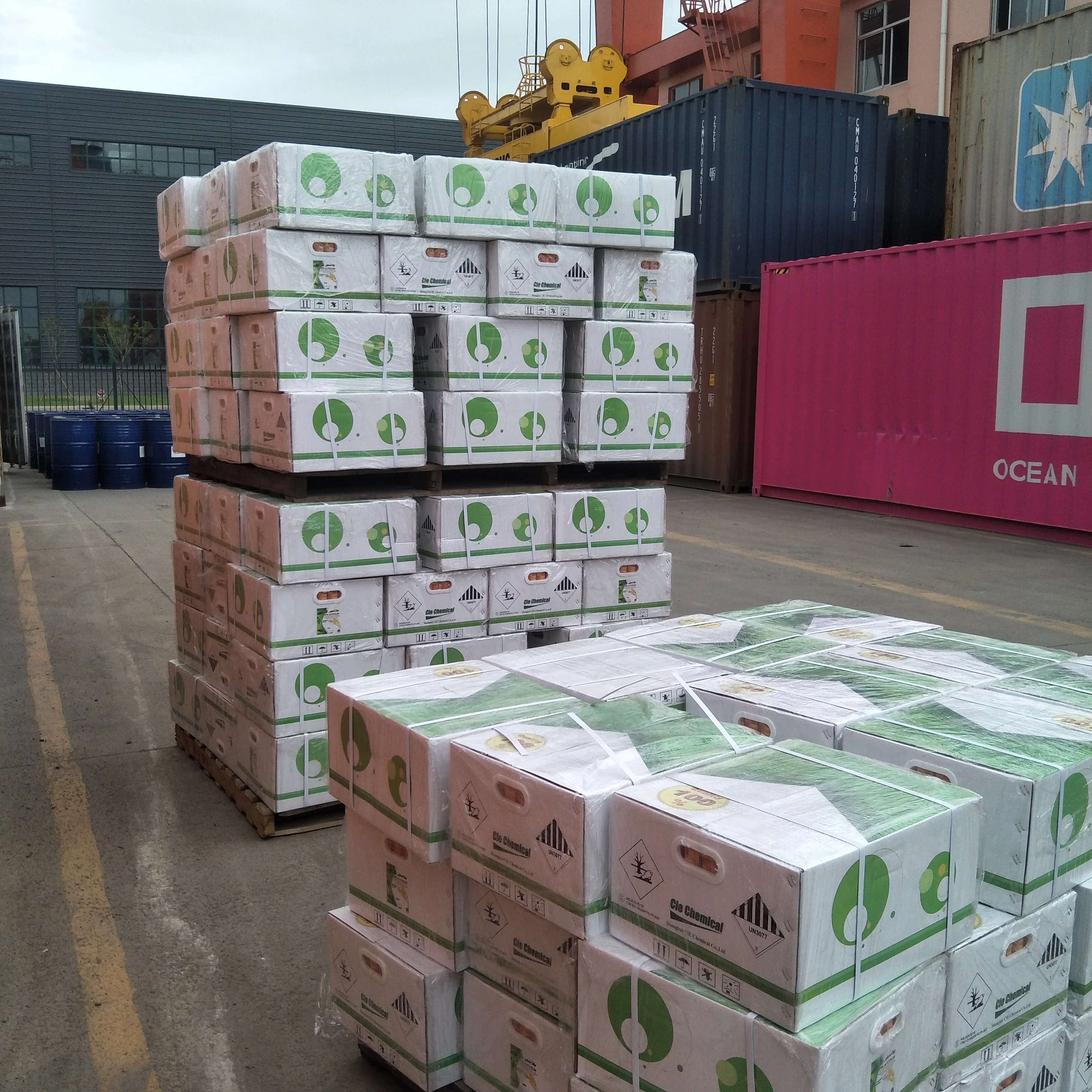
Insecticide Pesticides are great, but you can face issues if not used as directed. One common issue is overuse. Some farmers could think more is better, and that using additional pesticide brings better results. But in fact, this can damage both crops and the environment. For example, too much pesticide can eliminate beneficial insects that help plants grow. A farmer may want to eradicate pests, say, but if they kill every last insect they risk causing greater problems down the road. Another issue is resistance. The pests can develop resistance to some pesticides. This means that if the same pesticide is used, it may not be as effective over the years. Farmers must switch to different pesticides in order to protect against bugs growing immune. This can be tough because they have to remember what they used in the past. And reading instructions can be helpful too. If a farmer fails to mix the pesticide correctly or maybe uses it at the wrong time, then it might not be effective. That would mean risking losing money in a bad crop year. Precautions are important when working with insecticides. Farmers should wear protective clothing to prevent the chemicals from touching their skin. How to use it CIE Chemical gives easy directions on how to steward product. Finally, awareness regarding the impact on nature must be there. Pesticides can be unhealthy for fish and other wildlife if sprayed near water. Farmers ought to be cautious and follow rules so they don’t harm nature. In general, even though insecticide pesticides are greatly effective, they have to be applied right. They should know about the dangers so that they can protect their crops, health and environment. CIE Chemical does its part by providing safe and effective products, as well as best practices guidance.

Insecticides are chemicals specifically designed to have plants’ backs so that farmers and gardeners don’t lose everything to the bugs. Lately, there have been some exciting new trends in the world of insecticide pesticides. One of the largest trends is a shift toward natural ingredients. Many people are worried about the impact of chemicals on the environment and on human health. As a result, companies like CIE Chemical are working diligently to develop insecticides derived from plants or other natural sources. Such natural insecticides can be as effective on many pests as traditional ones, and are sometimes more environmentally friendly. Another trend is the increase in select insecticides. This means that these products only have an effect on certain pests but do not hurt other bugs or plants. This is important because we are trying to keep around friendly bugs, such as bees and ladybugs, that help our gardens and farms. And many new insecticides are formulated to quickly break down in the environment. This is an environmental good because it reduces the amount of chemicals that remain in soil and water, which might harm animals or people. Lastly, emphasis is placed on technologies to optimize insecticide application. For instance, some of those new products come with directions so that farmers can be completely clear on how much they should apply and when. This benefits crops and eases harm to the planet. Based on a sample, the new trends of formulations for insecticede pesticides could be summarized as: natural active[6]; target product; safe chemical; and developing technology for better application.
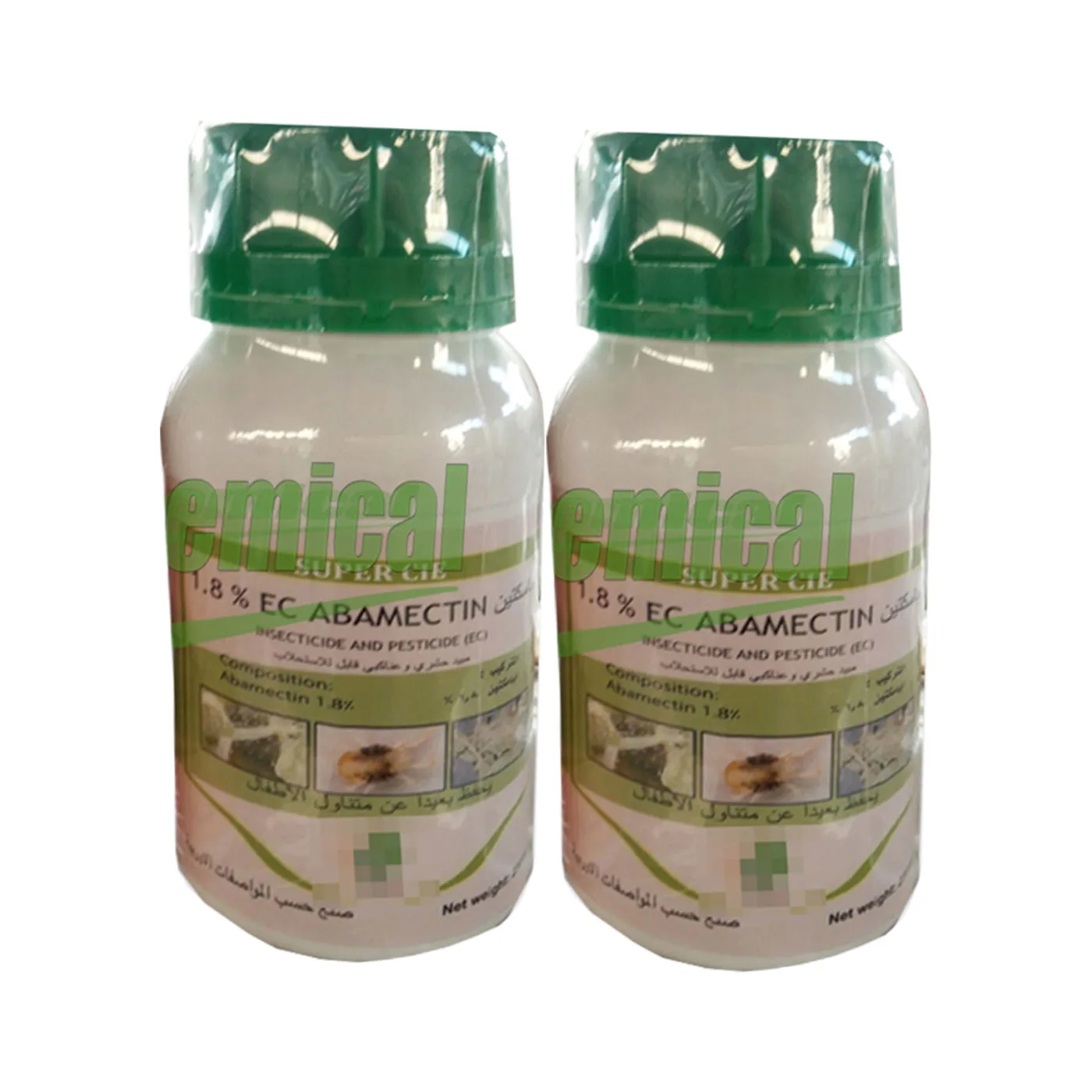
An eco-friendly alternative for farmers to use insecticide pesticides is important since they want to treat the earth well, but also wish to protect their crops. One of the best places to start looking is at local garden stores or farm supply retailers. Many of these shops are now stocking more green-friendly products. The staff will be able to share with you which natural insecticides are the best. You can also browse online. Websites that sell gardening supplies frequently include sections for products which promote "eco-friendly" and earth-wise practices. CIE Chemical is some such brand, and they have several of these safe insecticides available which you can check online. Local farming groups and community gardens are other ways many farmers have success. These communities also frequently exchange advice and resources, such as where to get natural insecticides. You also can look to fellow farmers who already have experience with green alternatives. Some gardening magazines and blogs cover sustainable farming methods. These resources may offer useful information and suggestions on where to purchase nontoxic insecticides. You might also contact agricultural extension offices. These offices also aid farmers with advice and information on farming. They might even have eco-friendly product lists and where to buy them. Finally, if you want local options, some farmers grow their own natural insecticides from plants like neem or garlic. It can be a fun project to learn how to make them! To conclude, you can get eco-friendly insecticide pesticides from local stores or purchase them online through farming groups and magazines; and you can even make it yourself.
1. Increased output:Pesticides can effectively control pests, diseases and weeds, thereby reducing pest levels, increasing yields and ensuring food security.2. Save labor and time:The use of pesticides can reduce farmers’ labor and time costs and effectively improve agricultural production efficiency.3. Guarantee economic benefits:Pesticides can prevent AIDS, ensure harvests, and be used in agricultural production brought brilliant economic benefits.4. Ensure food safety and quality:Pesticides can ensure the safety and quality of grain and food, avoid prevention prevent the occurrence of epidemics and protect people's health.
The pesticide products we sell comply with relevant national regulations and standards. Ensure the reliability and stability of product quality.1. Pre-sales consultation: We will provide customers with professional pre-sales consultation services to answer their questions about the use, dosage, storage and other issues of clothing and medicine. Customers can get our help by phone, email or online consultation before purchasing.2. After-sales training: We will regularly organize pesticide use training, including the correct use of pesticides, precautions, protective measures, etc., to improve customers' pesticide use skills and safety awareness.1/33. After-sales return visits: We will conduct regular after-sales return visits to our customers to understand their usage and satisfaction, collect their opinions and suggestions, and continuously improve our services.
In the world of CIE, you will find excellent agrochemical manufacturing and technical services because we focus on chemicals and researching new products for the people of the world.At the beginning of the 21st century, our factory only focused on national brands. After several years of development, we began to explore international markets, such as Argentina, Brazil, Suriname, Paraguay, Peru, Africa, South Asia, etc. As of 2024, we have established business relationships with partners from more than 39 countries. At the same time, we will be committed to bringing more good products to more countries.
Shanghai CIE Chemical Co.,ltd. was established on November 28, 2013. CIE has focused on chemical exports for about 30 years. At the same time, we will be committed to bringing more good products to more countries.In addition, our factory has an annual production capacity of glyphosate of approximately 100,000 tons and acetochlor of approximately 5,000 tons. In addition, we also cooperate with some multinational companies to produce paraquat and imidacloprid. Therefore, our quality is world-class.Currently, the dosage forms we can produce include SL, SC, OSC, OD, EC, EW, ULV, WDG, WSG, SG, G, etc. At the same time, our R&D department is always committed to the development of new formulas to produce some blended chemicals according to market needs. In this way, the efficiency of our new products can meet the needs of end consumers around the world.We always see it as our responsibility.In addition, so far, we have supported the registration of more than 200 companies in 30 countries around the world. At the same time, we are doing GLP reporting for some products.
 EN
EN
 AR
AR
 FR
FR
 EL
EL
 HI
HI
 IT
IT
 PT
PT
 RU
RU
 ES
ES
 TL
TL
 IW
IW
 ID
ID
 UK
UK
 VI
VI
 SQ
SQ
 TR
TR
 FA
FA
 AF
AF
 MS
MS
 SW
SW
 AZ
AZ
 UR
UR
 BN
BN
 HA
HA
 IG
IG
 JW
JW
 KM
KM
 MN
MN
 SO
SO
 ZU
ZU
 MY
MY
 KK
KK
 TG
TG
 UZ
UZ
 AM
AM
 KU
KU
 KY
KY
 PS
PS
 SN
SN
 XH
XH