Today, the biggest challenge facing farmers is protecting their produce from pest and insect damage that can have devastating effects. These insects also eat or ruin the plants, which can be difficult for farmers to grow food. Farmers commonly protect their crops using pesticides. Pesticides are special chemicals that are made to kill or control these bad bugs. A common pesticide is clothianidin. But there are some concerns about this pesticide, in particular around how it could impact bees.
There are a number of factors involved, but one which many of us can help make a difference with at a local level is the decline in bee populations. They pollinate flowers, which means they help flowers develop into fruits and seeds. Pollination is the process that enables plants to reproduce and provide us food. Without the help of bees, many plants would have trouble producing food, which could mean that everyone would run out of fruits and vegetables to eat. This is why many are concerned about the effects of clothianidin on bees.
There has been much recent discussion about how the pesticide clothianidin might be harmful to bees. Research suggests that this chemical can confuse and disorient when bees come in contact with it. This means they may not return to their hives or find food sources. Lost bees can struggle with finding food for themselves, and that can spell disaster for their survival. Moreover, some studies show that clothianidin can affect baby bees, or larvae, causing difficulties in maturing into strong and healthy adults.
Clothianidin is applied to a variety of crops, including corn, soybeans and cotton. It kills insects by assaulting their nervous systems. Clothianidin causes paralysis and death in insects to which it has been applied. Though this can be helpful to eliminate pests, there are individuals worried that it can also kill other living things, even humans as well as animals such as fish or birds, for example bees.
The risk of clothianidin isn't just to bees. They can also impact the environment and human health. The chemical can leak into the soil and water, potentially rendering those natural resources unfit for other plants and animals. Other animals can feel negative effects as well when they come in contact with clothianidin. There are worries about how this chemical could interact with humans. Other studies have indicated that long-term exposure to clothianidin could be associated with health problems, including developmental problems or cancer.
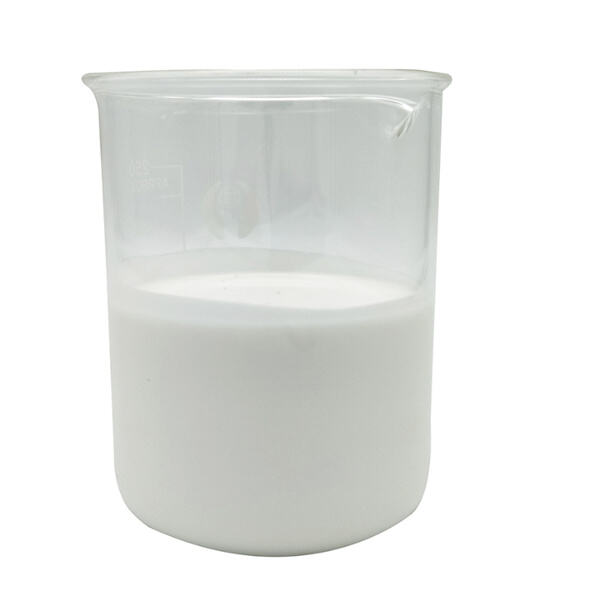
But despite these worries, many farmers apply clothianidin in various regions of the world. But keep in mind that there are safer alternatives out there which will help both farmers and bees. For example, some farmers are adopting a practice known as integrated pest management (IPM). Using diversified techniques to manage pests is the second step. Farmers can rely on natural predators, traps, and barriers to keep pests from their crops, rather than using pesticides. In such a way they can minimize the use of harmful pesticides, while preserving the health of crops.
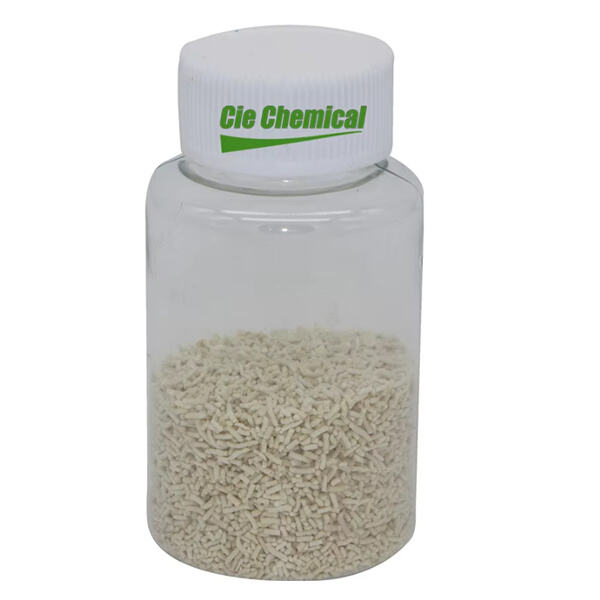
CIE Chemical has a strong commitment to pest management which is both effective and responsible. We have developed a whole range of products that provide authentic pest control without posing a risk to bee population or the ecosystem. Products are designed to be user-friendly, making it easy for farmers to protect both their crops and their environment.
Shanghai CIE Chemical Co.,ltd. was established on November 28, 2013. CIE has focused on chemical exports for about 30 years. At the same time, we will be committed to bringing more good products to more countries.In addition, our factory has an annual production capacity of glyphosate of approximately 100,000 tons and acetochlor of approximately 5,000 tons. In addition, we also cooperate with some multinational companies to produce paraquat and imidacloprid. Therefore, our quality is world-class.Currently, the dosage forms we can produce include SL, SC, OSC, OD, EC, EW, ULV, WDG, WSG, SG, G, etc. At the same time, our R&D department is always committed to the development of new formulas to produce some blended chemicals according to market needs. In this way, the efficiency of our new products can meet the needs of end consumers around the world.We always see it as our responsibility.In addition, so far, we have supported the registration of more than 200 companies in 30 countries around the world. At the same time, we are doing GLP reporting for some products.
1. Increased output:Pesticides can effectively control pests, diseases and weeds, thereby reducing pest levels, increasing yields and ensuring food security.2. Save labor and time:The use of pesticides can reduce farmers’ labor and time costs and effectively improve agricultural production efficiency.3. Guarantee economic benefits:Pesticides can prevent AIDS, ensure harvests, and be used in agricultural production brought brilliant economic benefits.4. Ensure food safety and quality:Pesticides can ensure the safety and quality of grain and food, avoid prevention prevent the occurrence of epidemics and protect people's health.
In the world of CIE, you will find excellent agrochemical manufacturing and technical services because we focus on chemicals and researching new products for the people of the world.At the beginning of the 21st century, our factory only focused on national brands. After several years of development, we began to explore international markets, such as Argentina, Brazil, Suriname, Paraguay, Peru, Africa, South Asia, etc. As of 2024, we have established business relationships with partners from more than 39 countries. At the same time, we will be committed to bringing more good products to more countries.
The pesticide products we sell comply with relevant national regulations and standards. Ensure the reliability and stability of product quality.1. Pre-sales consultation: We will provide customers with professional pre-sales consultation services to answer their questions about the use, dosage, storage and other issues of clothing and medicine. Customers can get our help by phone, email or online consultation before purchasing.2. After-sales training: We will regularly organize pesticide use training, including the correct use of pesticides, precautions, protective measures, etc., to improve customers' pesticide use skills and safety awareness.1/33. After-sales return visits: We will conduct regular after-sales return visits to our customers to understand their usage and satisfaction, collect their opinions and suggestions, and continuously improve our services.
 EN
EN
 AR
AR
 FR
FR
 EL
EL
 HI
HI
 IT
IT
 PT
PT
 RU
RU
 ES
ES
 TL
TL
 IW
IW
 ID
ID
 UK
UK
 VI
VI
 SQ
SQ
 TR
TR
 FA
FA
 AF
AF
 MS
MS
 SW
SW
 AZ
AZ
 UR
UR
 BN
BN
 HA
HA
 IG
IG
 JW
JW
 KM
KM
 MN
MN
 SO
SO
 ZU
ZU
 MY
MY
 KK
KK
 TG
TG
 UZ
UZ
 AM
AM
 KU
KU
 KY
KY
 PS
PS
 SN
SN
 XH
XH