Aphids may be small bugs, but they can cause big problems for plants. They drain the juice from leaves, making them weak and sick. This will cause a growth stunt, yellowed leaves and even the death of plants. Farmers and gardeners don’t want them around, and one way to keep them away is with pesticides. CIE Chemical Safety is paramount in the battle against aphids, so in this article we will discuss some of the top pesticides for killing aphids and teach you how to use them properly.
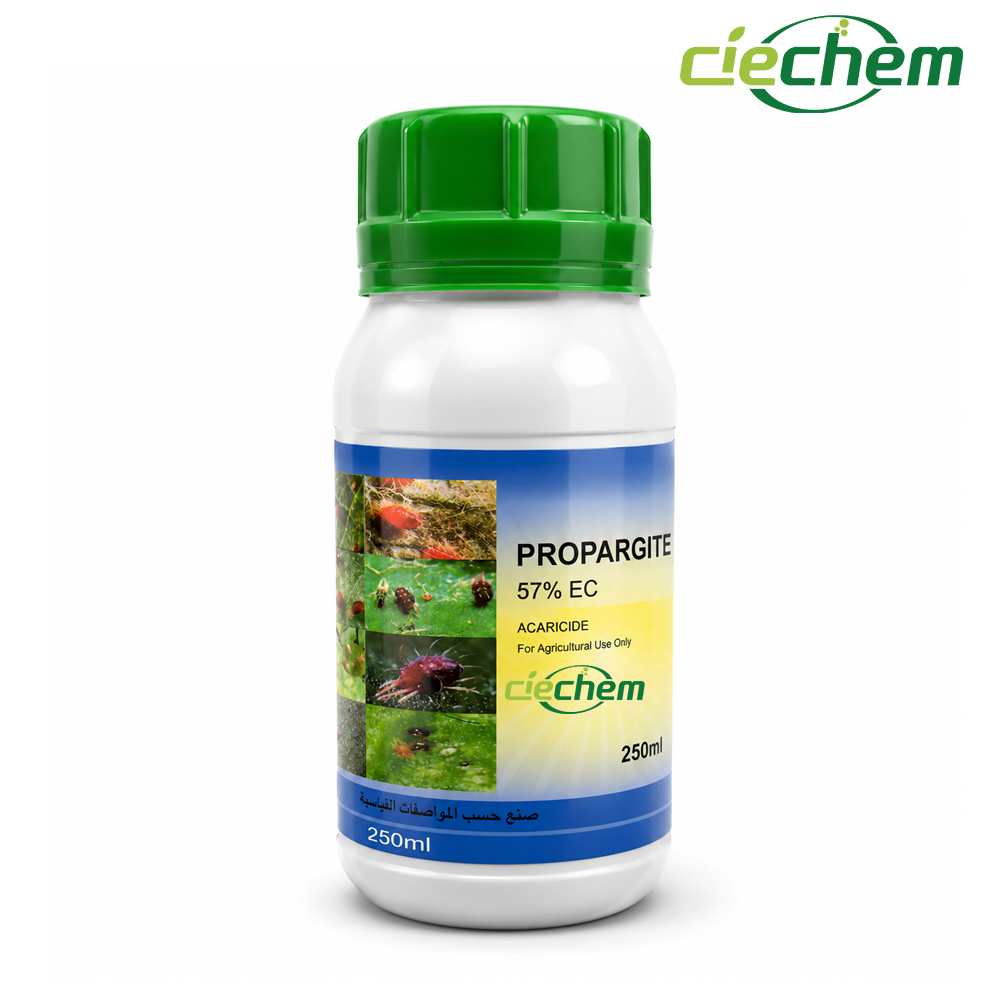
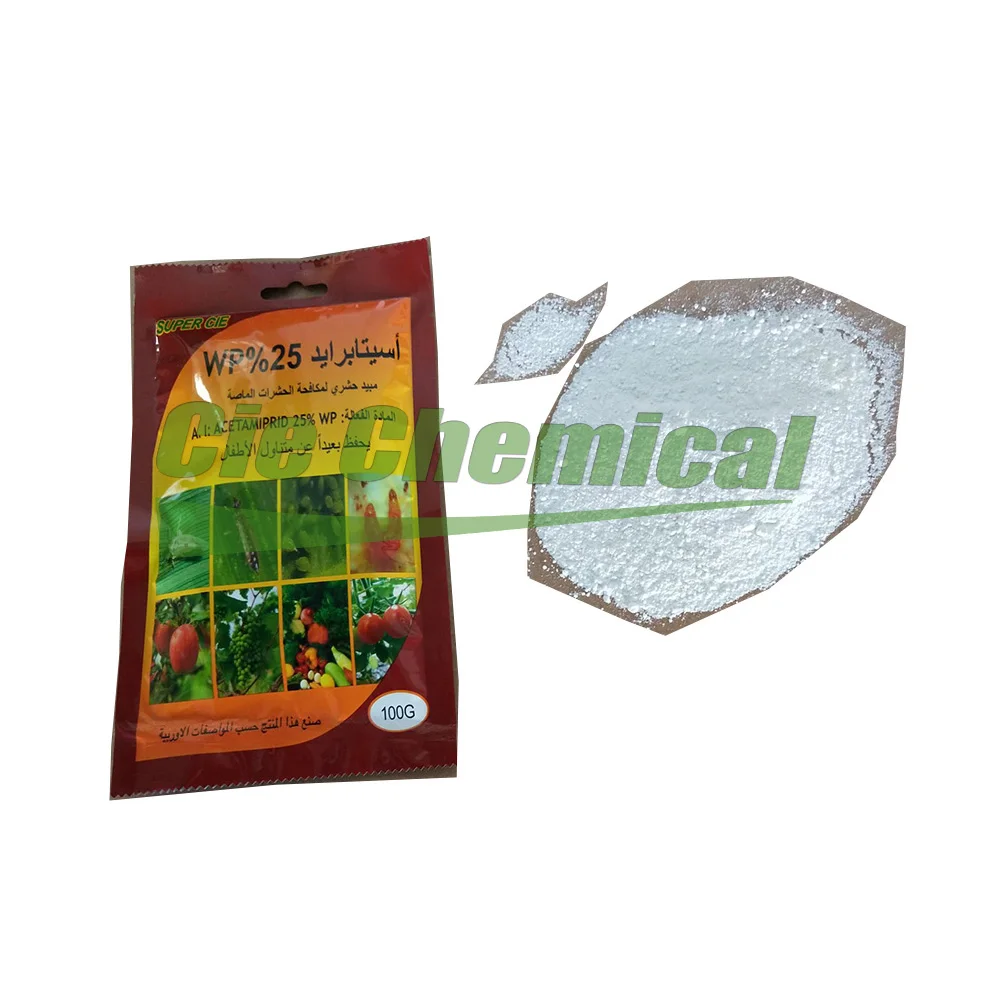
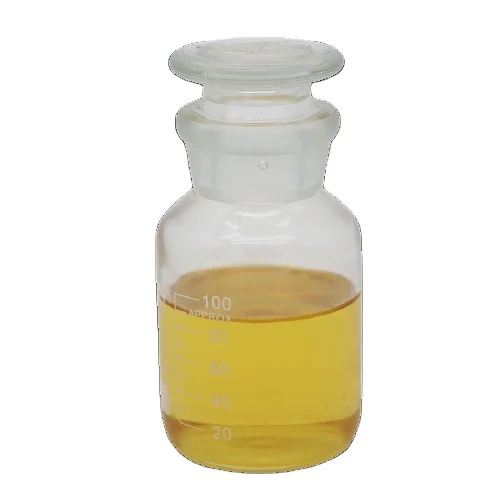
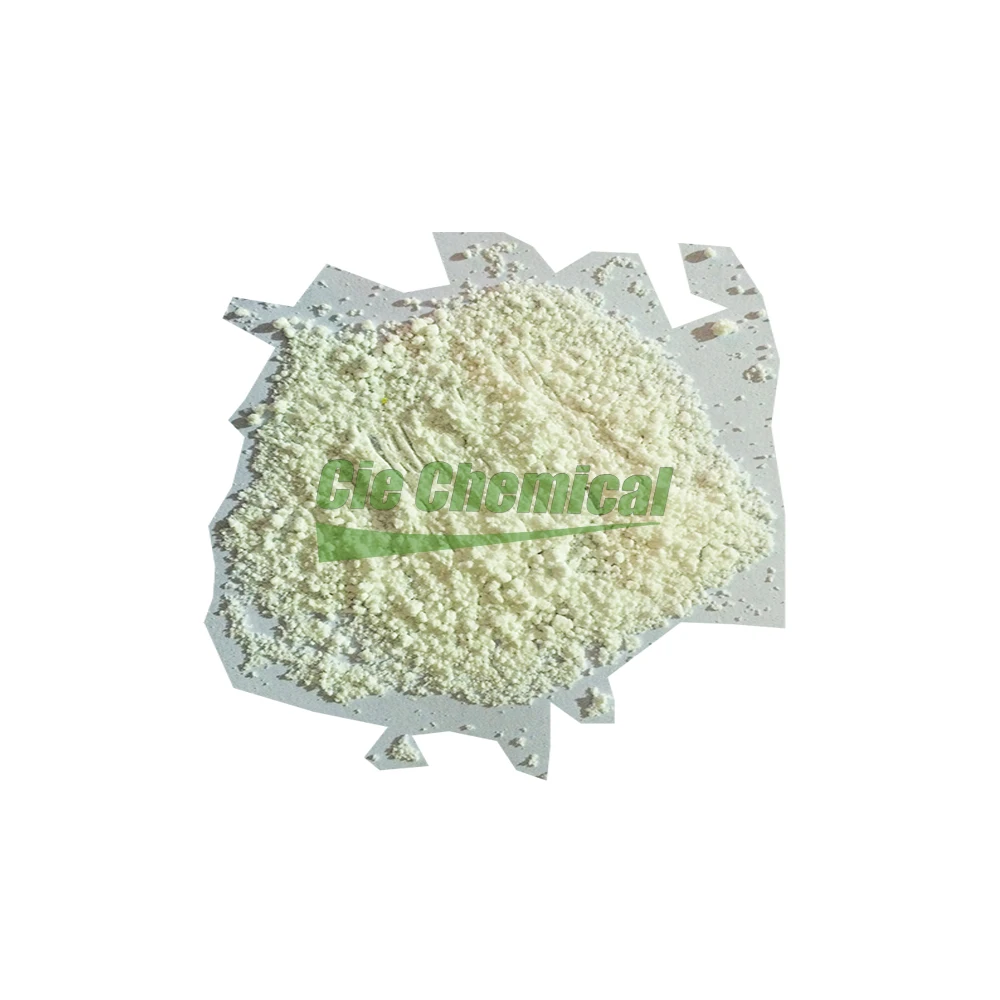
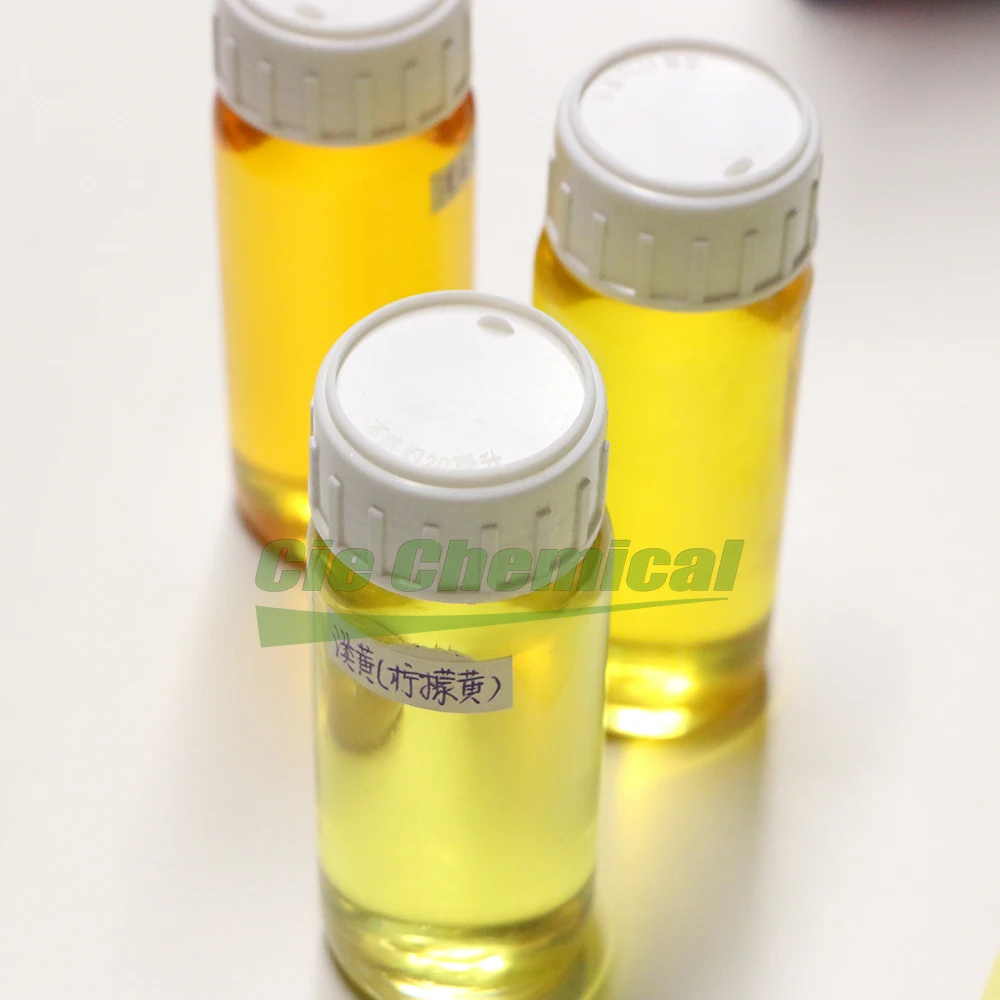
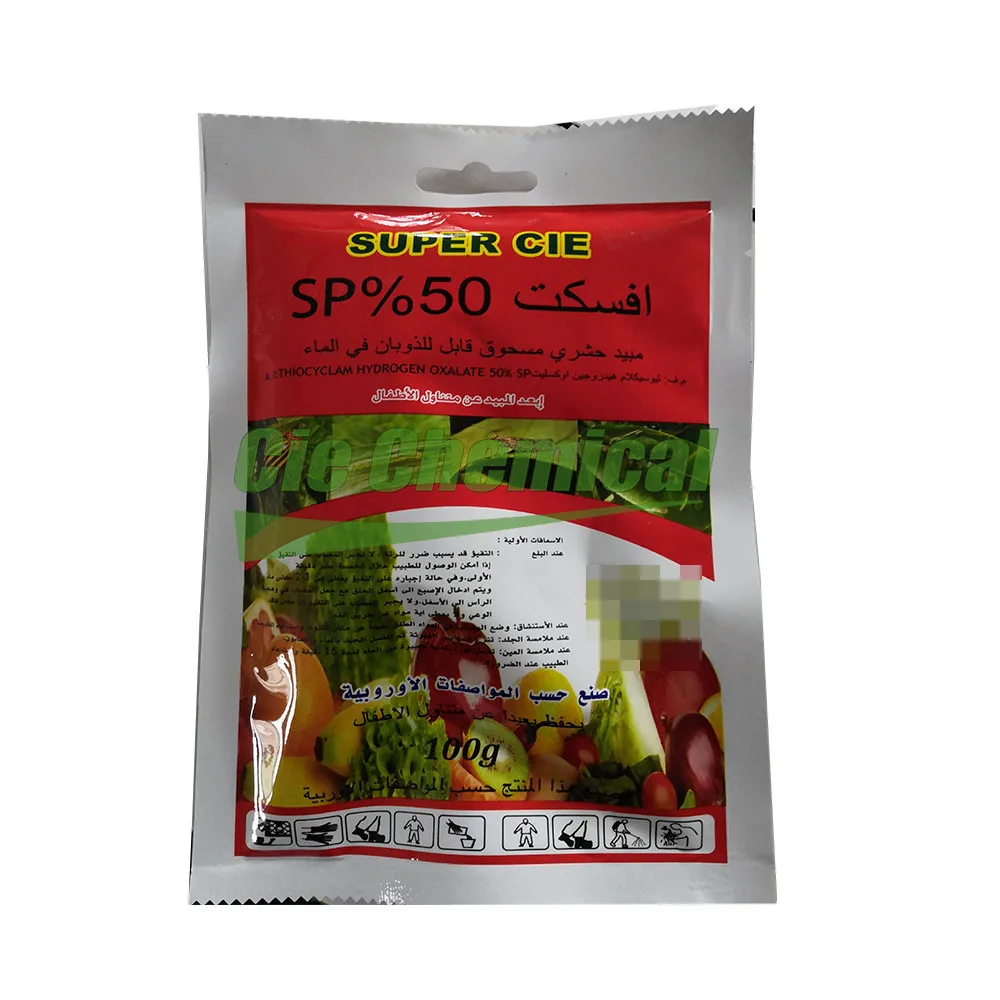
When it comes to the best aphid control pesticides wholesale buyers have plenty of choices. Some pesticides are more powerful than others and will be better suited to fighting aphids. Insecticidal soaps, for example are common selections. They essentially suffocate the insects, which is a nontoxic means of eliminating them. Another option is neem oil. This oil is derived from the seeds of the neem tree and it interrupts aphids’ life cycle, preventing them from reproducing. CIE Chemical provides several such products for purchasing in bulk for greater amounts needed. Pyrethroids are also effective. They are man-made chemicals, which can poison the nervous system of aphids and kill them. But it is important to read the label closely, to confirm that there are no other ingredients in what you buy that are harmful to the plants you plan to treat. And it’s not just about killing aphids; it’s also about protecting beneficial insects that aid the garden in prospering. Some insecticides are designed to kill only undesirable pests, while sparing beneficial ones. This is essential for the balance of an ecosystem in your garden or farm. Consider the specific requirements of your plants before you decide what to get. CIE Chemical want to help you choose the correct pesticide for your specific needs, including our range of Insecticide & Acaricide products.
The proper and safe application of control aphid pesticides is crucial. First, never forget to read the instructions for the pesticide you buy. This will advise you how much to use and how frequently to apply it. And it’s tempting to think more is better, but overdoing it can actually damage your plants and the environment. Safety gear is also key. Gloves and a mask can guard you from the chemicals. Be sure to spray the pesticides very early in the morning or late afternoon when sunlight is not too intense. This keeps the pesticide from volatilizing too swiftly, and causes it to better adhere to the plants. Oh, and be sure to do it on a day when there’s no wind. The air can carry away the pesticide to places where it is not wanted — other plants; parts of the landscape where they shouldn’t go. In case of contact, immediately wash hands and equipment after use. Ensuring the health of your garden isn’t just about killing pests, though; it’s also about being sustainable and taking care of the environment. CIE Chemical recommends following all safety guidelines for the best results with aphid control, including our Hot-sale Products that are effective and safe.
Among aphids, here’s what to avoid in order to protect both your plants and the environment. First, don't use chemicals that will harm beneficial insects. Good bugs, such as ladybugs and lacewings, feed on aphids and can help keep their population in check. If you use strong pesticides, it’s possible that beneficial bugs can die as well and the aphid problem only gets worse. Instead, seek out more mild methods that harm to your aphids and not the good bugs.

Second, do not apply pesticides in wind or rain. Wind can blow the chemicals away from the plants you’re trying to protect, and rain can wash them off before they’ve had a chance to work. Pesticides should be applied on calm, dry days. That way, you can ensure the treatment stays where it belongs. You’ll want to avoid overusing pesticides. Aphids can become resistant if you spray too frequently. That’s because they can develop a resistance to the chemicals, rendering them more difficult to rein in. Always read and follow label instructions for optimal results.
Knowing what aphids look like is the first step to controlling them. Aphids are small, soft-bodied insects. They can be green, black or even pink. They typically reside on the undersides of leaves, sucking out the plant’s sap. If you see yellowing leaves or a lack of growth, that could indicate an aphid infestation. Another hint is a sticky deposit called honeydew left by aphids. Ants can be drawn to this sticky juice, and sooty mold will grow on your plants.

Always read the label to make sure the product is safe for your particular plants. Also, some are best sprayed early in the morning or late in the afternoon — check the label for optimal spraying times. Don’t forget that sometimes a targeted spray of water can knock aphids off plants without resorting to chemicals. But if the problem is bad enough, you might have to break down and use a pesticide; follow CIE Chemical’s recommendations for using it safely and effectively, including our selection of Herbicide options that complement your pest control strategy.
In the world of CIE, you will find excellent agrochemical manufacturing and technical services because we focus on chemicals and researching new products for the people of the world.At the beginning of the 21st century, our factory only focused on national brands. After several years of development, we began to explore international markets, such as Argentina, Brazil, Suriname, Paraguay, Peru, Africa, South Asia, etc. As of 2024, we have established business relationships with partners from more than 39 countries. At the same time, we will be committed to bringing more good products to more countries.
The pesticide products we sell comply with relevant national regulations and standards. Ensure the reliability and stability of product quality.1. Pre-sales consultation: We will provide customers with professional pre-sales consultation services to answer their questions about the use, dosage, storage and other issues of clothing and medicine. Customers can get our help by phone, email or online consultation before purchasing.2. After-sales training: We will regularly organize pesticide use training, including the correct use of pesticides, precautions, protective measures, etc., to improve customers' pesticide use skills and safety awareness.1/33. After-sales return visits: We will conduct regular after-sales return visits to our customers to understand their usage and satisfaction, collect their opinions and suggestions, and continuously improve our services.
Shanghai CIE Chemical Co.,ltd. was established on November 28, 2013. CIE has focused on chemical exports for about 30 years. At the same time, we will be committed to bringing more good products to more countries.In addition, our factory has an annual production capacity of glyphosate of approximately 100,000 tons and acetochlor of approximately 5,000 tons. In addition, we also cooperate with some multinational companies to produce paraquat and imidacloprid. Therefore, our quality is world-class.Currently, the dosage forms we can produce include SL, SC, OSC, OD, EC, EW, ULV, WDG, WSG, SG, G, etc. At the same time, our R&D department is always committed to the development of new formulas to produce some blended chemicals according to market needs. In this way, the efficiency of our new products can meet the needs of end consumers around the world.We always see it as our responsibility.In addition, so far, we have supported the registration of more than 200 companies in 30 countries around the world. At the same time, we are doing GLP reporting for some products.
1. Increased output:Pesticides can effectively control pests, diseases and weeds, thereby reducing pest levels, increasing yields and ensuring food security.2. Save labor and time:The use of pesticides can reduce farmers’ labor and time costs and effectively improve agricultural production efficiency.3. Guarantee economic benefits:Pesticides can prevent AIDS, ensure harvests, and be used in agricultural production brought brilliant economic benefits.4. Ensure food safety and quality:Pesticides can ensure the safety and quality of grain and food, avoid prevention prevent the occurrence of epidemics and protect people's health.
 EN
EN
 AR
AR
 FR
FR
 EL
EL
 HI
HI
 IT
IT
 PT
PT
 RU
RU
 ES
ES
 TL
TL
 IW
IW
 ID
ID
 UK
UK
 VI
VI
 SQ
SQ
 TR
TR
 FA
FA
 AF
AF
 MS
MS
 SW
SW
 AZ
AZ
 UR
UR
 BN
BN
 HA
HA
 IG
IG
 JW
JW
 KM
KM
 MN
MN
 SO
SO
 ZU
ZU
 MY
MY
 KK
KK
 TG
TG
 UZ
UZ
 AM
AM
 KU
KU
 KY
KY
 PS
PS
 SN
SN
 XH
XH